Predictive maintenance for renewable energy uses AI to forecast faults in turbines, panels and storage before they happen. It shifts operators from fixed schedules to condition-based work, cutting downtime, protecting costly assets and lifting long-term clean-energy yield.
Renewable assets live hard lives. Turbines spin under constant stress, panels bake and weather for decades, and batteries cycle every single day, all while spread across remote, hard-to-reach sites.
Sending crews on a fixed calendar wastes time and still misses sudden faults. Predictive maintenance for renewable energy reads each asset’s live data and acts only when the evidence calls for it.
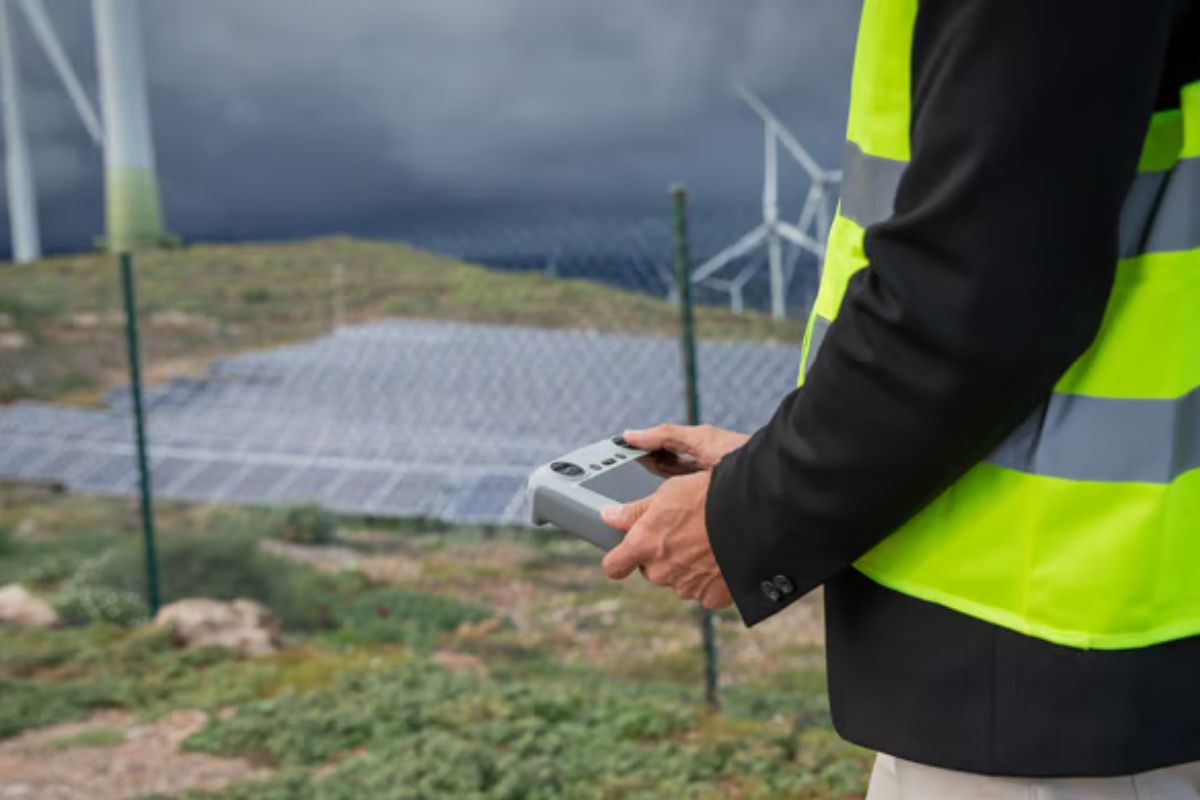
A failed gearbox can idle a turbine for weeks. A faulty string can quietly drain a solar plant for months. In renewables, undetected faults are lost generation that never comes back.
Wind turbine predictive maintenance changes the maths. AI learns each turbine’s healthy signature from vibration and performance data, then flags wear in gearboxes, bearings and blades long before failure.
The same approach extends to panels and batteries. Faults become planned, low-cost repairs scheduled during calm or low-demand windows, so the fleet keeps generating when output is worth the most.
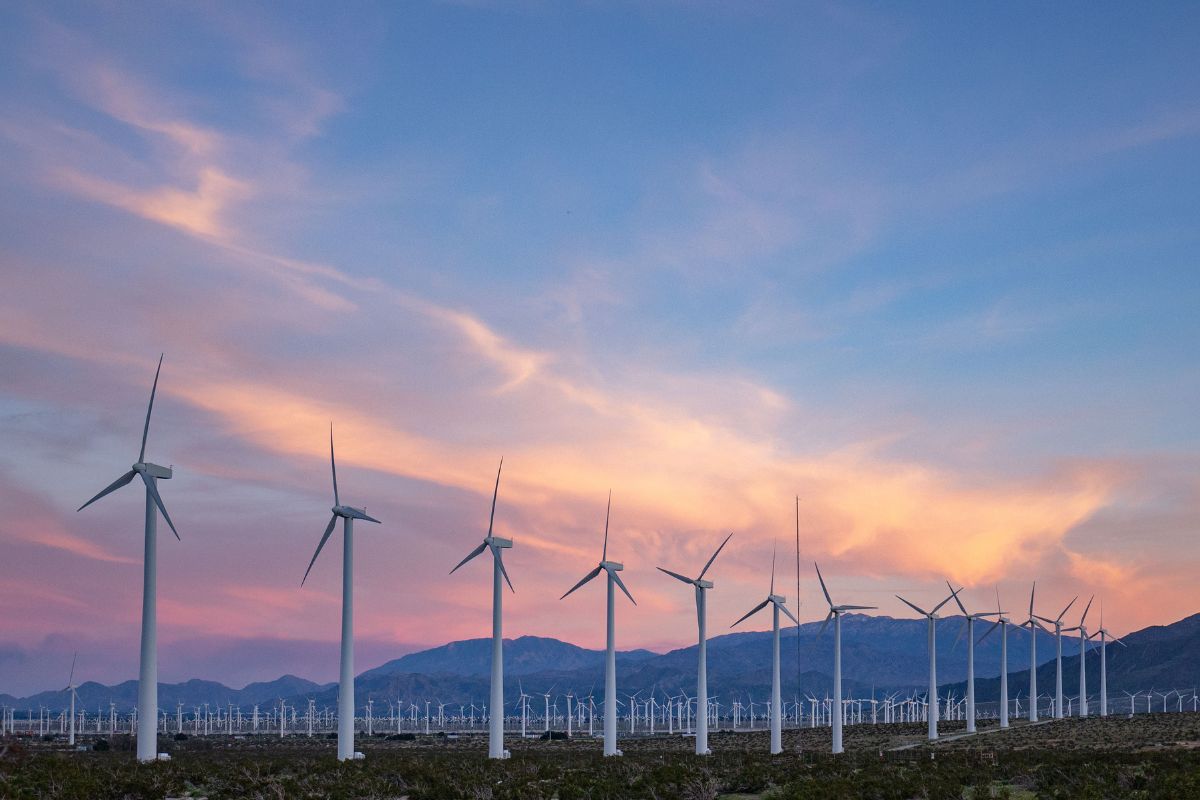
Predictive maintenance for renewable energy covers three asset families, each with its own failure patterns: wind, solar and storage. Here is how AI protects the health and output of each.
Turbines hide their most expensive faults inside gearboxes, bearings and blades. Wind turbine predictive maintenance reads vibration, temperature and performance data to catch wear early, long before it forces a costly, weeks-long unplanned outage.
With faults forecast in advance, crews service turbines on calm, low-wind days instead of during peak generation. Catching damage early protects the priciest components and keeps far more of the fleet spinning when the wind is strong. The same models run from edge to cloud, so even remote sites stay covered.
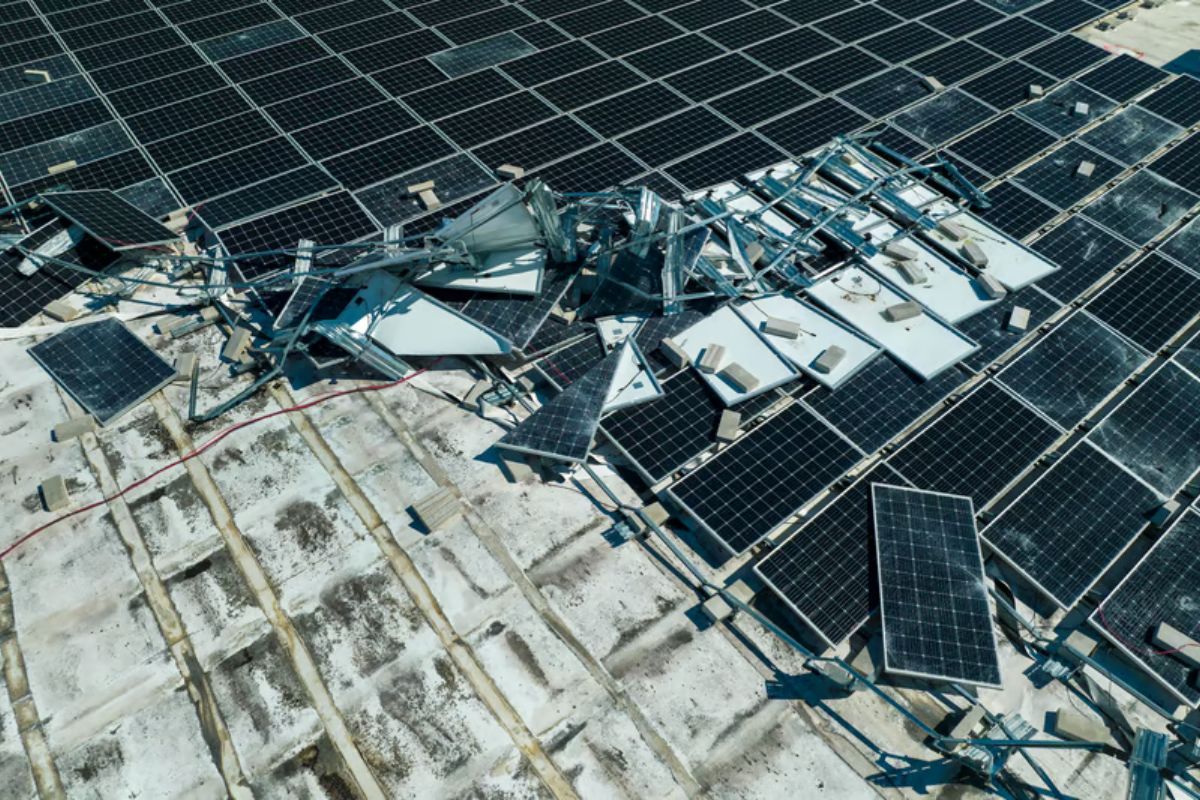
Solar plants lose output quietly to degradation, soiling and failing strings or inverters. Solar panel performance monitoring compares live generation against expected yield, exposing every underperformer that routine inspection would simply walk straight past.
Each loss becomes a precise, ranked work order, so cleaning and repair land where they recover the most energy. Catching faults early keeps panels producing near their potential across the full, decades-long life of the plant. The same models run from edge to cloud, so even remote sites stay covered.
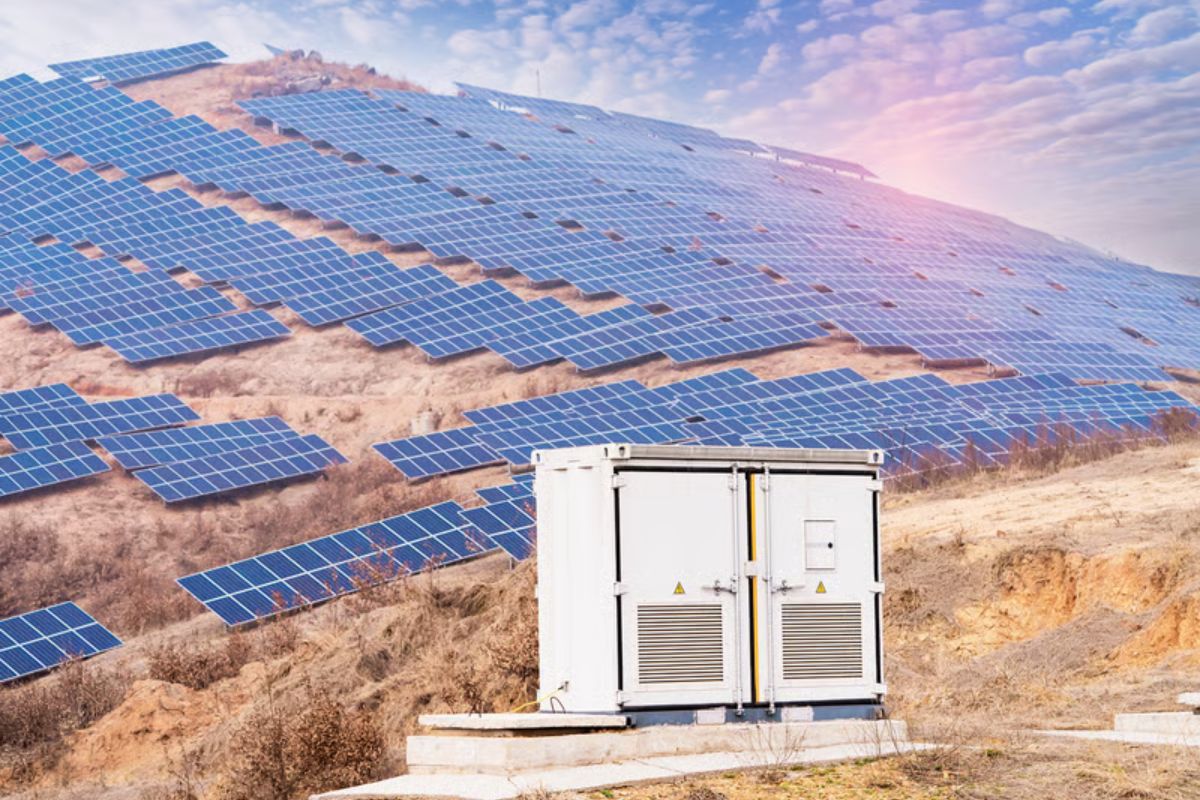
Battery storage degrades with every cycle, and a weak module can drag down a whole rack. AI tracks temperature, voltage and cycling behavior to spot early degradation before it threatens safety, capacity or warranty.
Early warnings let operators balance, rest or replace modules before failures cascade. Healthy storage means more reliable dispatch, longer asset life and a safer site, protecting one of the most valuable parts of the system. The same models run from edge to cloud, so even remote sites stay covered.
These are the questions owners and operators ask Google and AI assistants every day. Each answer covers what it is, how it works and why it matters, with practical notes on how to reduce energy curtailment along the way.
Predictive maintenance for renewable energy is the use of AI and sensor data to forecast faults in turbines, panels and storage before they happen. Work is scheduled on real condition, replacing fixed calendars and reactive emergency repairs.
Sensors stream vibration, temperature, voltage and generation data from each asset. AI learns the healthy signature of every turbine, string and battery, then checks live readings against that baseline continuously across the site.
When behavior drifts toward a known failure path, the system forecasts the fault and estimates safe remaining life. Crews then plan the repair for a low-impact window instead of reacting to a sudden outage. The whole loop runs continuously across distributed, weather-driven assets.
Because lost generation never comes back, predicting faults protects both expensive hardware and the clean energy revenue it produces.
AI maintains them by learning each asset’s normal behavior, then catching the faint drift that precedes failure or underperformance. For turbines it watches mechanical wear; for panels it benchmarks generation against expected yield.
Wind turbine predictive maintenance reads vibration and temperature from gearboxes and bearings, flagging wear weeks ahead. The system ranks each risk so the most valuable, vulnerable turbines are serviced first, on the operator’s terms.
For solar, AI compares each string against expected output for the weather and exposes the exact underperformers. Targeted cleaning and repair then recover the most energy for every maintenance dollar spent. It turns scattered monitoring data into one clear, confident plan.
Targeted, condition-based work keeps more of the fleet healthy and generating, instead of wasting effort on assets that are already fine.
It boosts yield by keeping assets healthy and producing, rather than sitting idle after a failure. Every avoided outage and every recovered underperformer adds clean energy that would otherwise have been lost forever.
By catching turbine faults early, predictive maintenance avoids the long, costly outages that follow a gearbox or bearing failure. More turbines stay online during the windiest, most valuable periods of the year.
On the solar side, finding and fixing underperformance restores generation the plant should already be producing. Across a portfolio, these recovered megawatt-hours compound into a meaningful annual yield gain. In practice, crews act on clear evidence instead of guessing at the cause.
More uptime and recovered output mean more revenue from the same hardware, often dwarfing the cost of the maintenance program.
Time-based maintenance services assets on a fixed calendar, whether they need it or not. Condition-based maintenance acts on real, measured health. For remote renewable assets, condition-based usually wins on both cost and uptime.
Calendar servicing is simple, but it sends crews to healthy assets and can still miss sudden faults between visits. For turbines on distant sites, every unnecessary truck roll is expensive and slow.
Condition-based maintenance acts only when evidence calls for it, focusing effort where risk is real. Many operators blend the two, using prediction for critical turbines and storage, and calendars for simple, low-risk tasks. It turns scattered monitoring data into one clear, confident plan.
For remote, high-value renewable assets, acting on real condition saves money, trips and lost generation that a fixed calendar cannot.
The real benefits of this approach reach across uptime, asset life and yield. The gains below are the ones owners feel first, and predictive maintenance for renewable energy keeps paying back across the decades-long life of every asset. Over time, it even informs how to reduce energy curtailment across the fleet.
Neuralixai AI for Renewable Energy turns turbine, panel and storage data into early fault warnings, ranked by impact and ready to act on, delivered through Ekam AIaaS.
Reliable solar panel performance monitoring and turbine prediction are how leading owners protect both uptime and yield. Want it on your sites? Talk to our team.
A turbine that talks is a turbine that lasts. The future of renewable energy belongs to assets that warn you before they fail.
Neuralixai Team
Wind turbines benefit most, since gearbox and bearing failures cause long, costly outages. Battery storage and large solar inverters follow closely. Any asset whose failure means weeks of lost generation is a strong candidate for prediction. Intelligence makes clean energy truly count.
Yes. Solar panel performance monitoring benchmarks each string against expected yield and flags soiling, shading and faulty strings precisely. Cleaning and repair are then targeted where they recover the most energy, lifting output across the plant. Intelligence makes clean energy truly count.
Most sites already have enough. SCADA, inverter, vibration and meteorological data are common starting points. Neuralixai works with your existing monitoring and adds sensors only where they clearly improve fault prediction and recovered yield. It is a low-risk way to start small.
Yes. Edge models run locally even with limited connectivity, then sync insights to the cloud when a link is available. Remote turbines and distributed solar still get continuous, reliable fault prediction and performance monitoring. It is a low-risk way to start small.
Indirectly, yes. Healthier, more predictable assets make generation easier to forecast, which supports smarter dispatch. Combined with storage timing, knowing how to reduce energy curtailment becomes far more achievable across a well-maintained portfolio. It is a low-risk way to start small.

Tell us about your fleet and the assets that worry you most, from turbines to storage. Our team will show you how predictive maintenance for renewable energy protects uptime and yield, with no guesswork. The first conversation is free.
Note: This article is intended to provide general information only. It does not account for the specific operations, equipment or objectives of any individual facility and must not be relied upon as engineering, safety or professional advice. While every effort has been made to ensure accuracy, technologies and best practices evolve over time. Readers should seek independent professional advice before making operational or investment decisions based on this information. Neuralixai accepts no liability for actions taken solely on the basis of this article.
579, 32nd D Cross, 10th Main,4th Block,
Jayanagar, Bengaluru, Karnataka 560011
148, Patparganj industrial Area, New Delhi 110092
4200 San Jacinto, Houston, Texas 77004, USA