
The system analyzes flow, pressure and consumption data to find leaks in near real time, pinpoint high-loss zones and cut non-revenue water. It catches both sudden bursts and slow, silent leaks long before manual surveys would.
Leaks are the largest, most stubborn loss in most water networks. Many run silently underground for months, draining treated water and revenue while traditional surveys crawl across the system zone by zone.
The signals are already there, hidden in flow and pressure data. AI water leak detection listens to that data continuously, turning faint anomalies into precise, actionable alerts for crews.
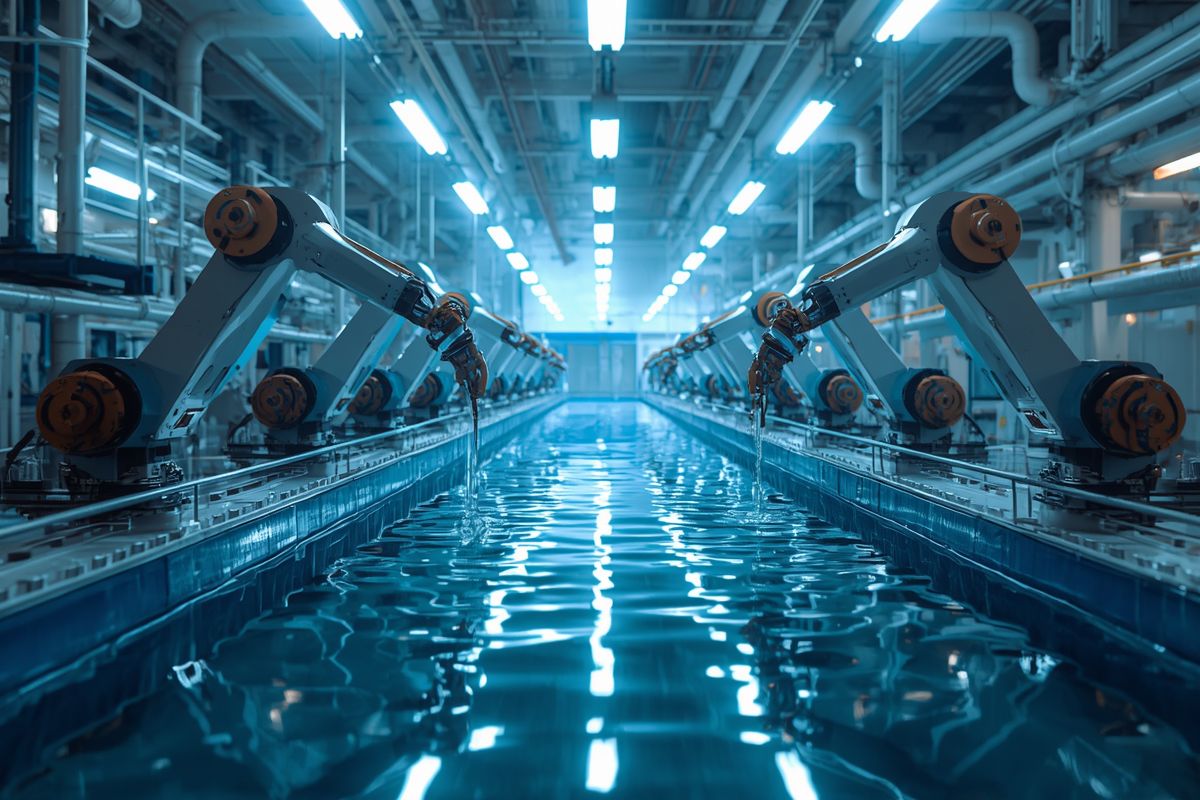
Finding leaks the old way is slow and expensive. Crews walk lines with listening sticks, chase customer complaints and react to bursts only once water is already surfacing on the street.
Smart water leak detection technology flips that model. AI learns the normal flow and pressure of each zone, then flags the subtle, persistent anomalies that mark a hidden leak long before it becomes visible.
The result is faster response and less lost water. Instead of searching the whole network, crews go straight to the districts and segments where the evidence is strongest.
AI water leak detection works as a simple loop: detect the anomaly, locate the zone and act before losses pile up. Here is how each stage turns network data into recovered water.
Detection starts with the data the network already produces: flow, pressure and consumption from district meters and sensors. AI learns the normal pattern for each zone and flags the small, persistent deviations that signal a leak.
Because the model watches continuously, it catches both sudden bursts and slow background leaks. Alerts arrive in near real time, not after a survey months later, so losses are caught while they are still small and cheap to fix. Crews act on ranked evidence rather than chasing customer complaints.
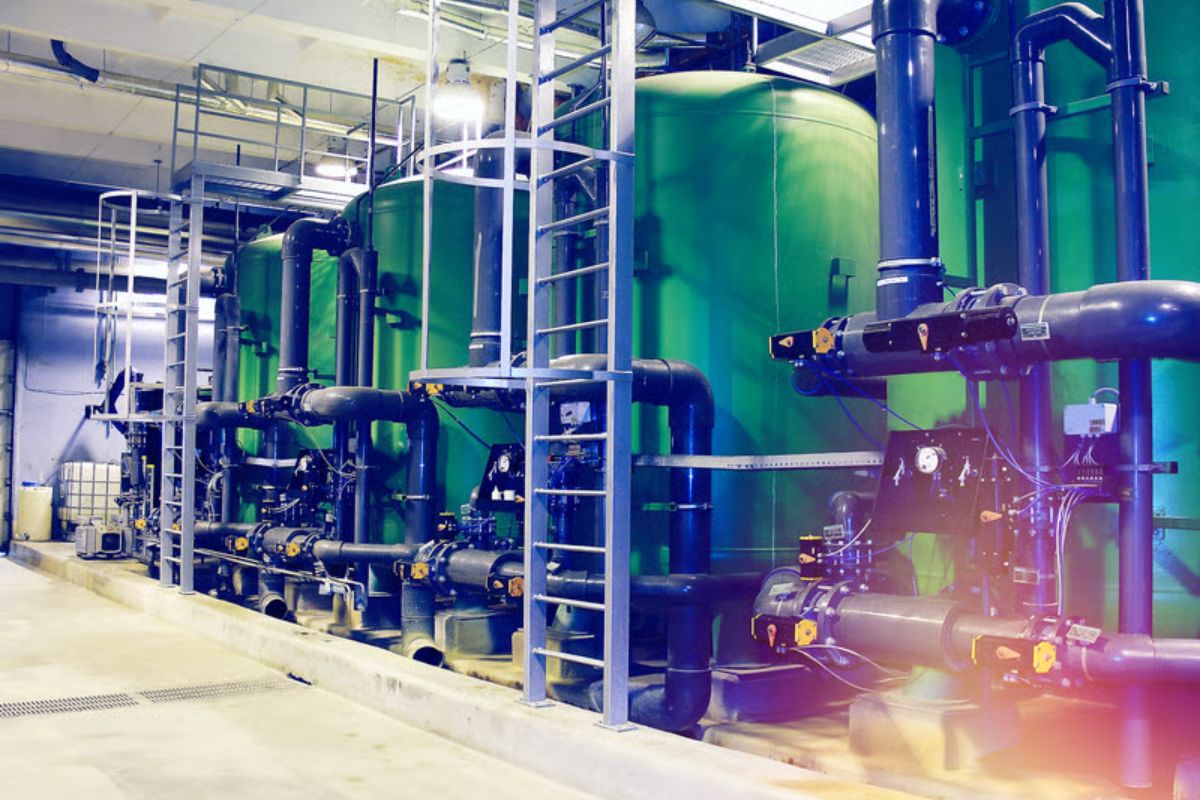
Locating the leak narrows the search from a whole network to a single district or segment. AI compares supplied against billed water by zone and reads pressure patterns to point crews toward the most likely source.
Knowing how to detect water pipeline leaks at the zone level saves enormous field time. Instead of walking entire networks, teams arrive where the evidence is strongest, confirming and fixing the worst losses first. Across the network, those savings compound into real budget the utility can redirect.
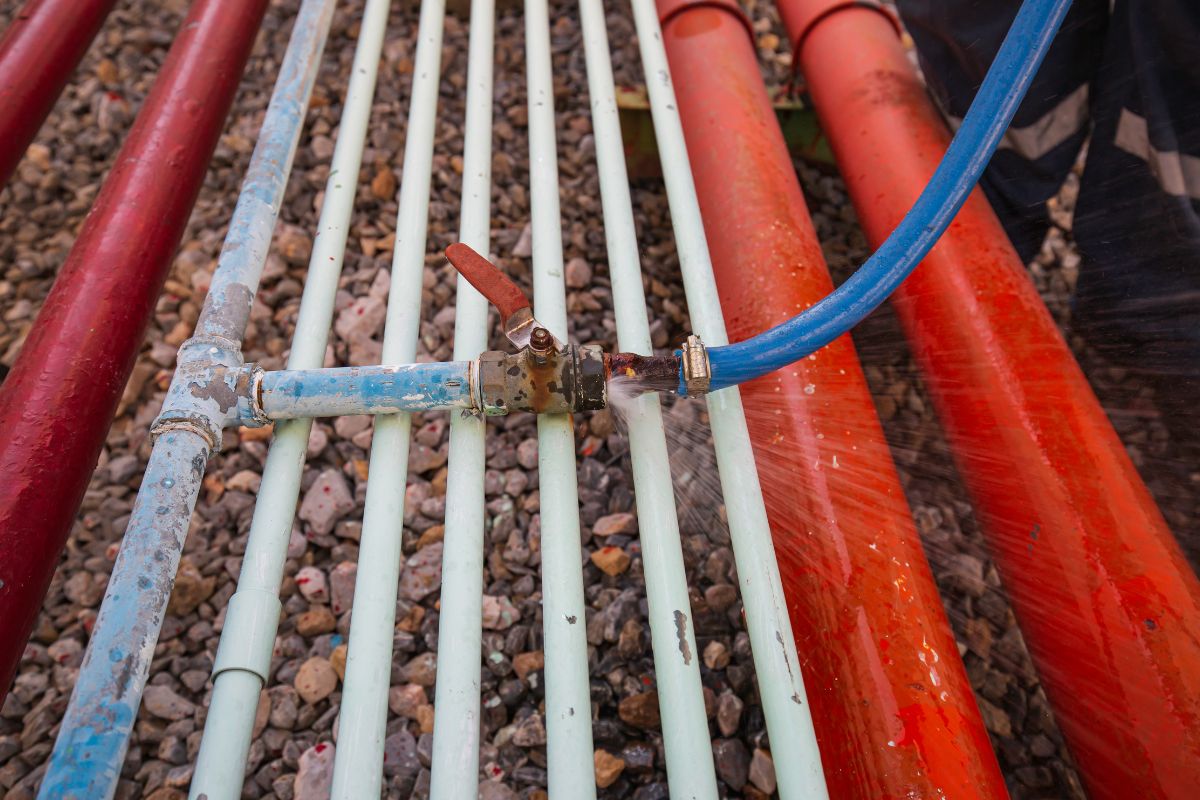
Acting fast is where the savings are won. With ranked, located alerts, crews prioritize the highest-loss leaks and schedule repairs before a small seep grows into a costly main burst or a public disruption.
Every leak fixed early protects treated water, energy and customer trust. Over time, faster action drives steady non-revenue water reduction across the whole network, turning a reactive chase into a controlled, measurable process. Across the network, those savings compound into real budget the utility can redirect.
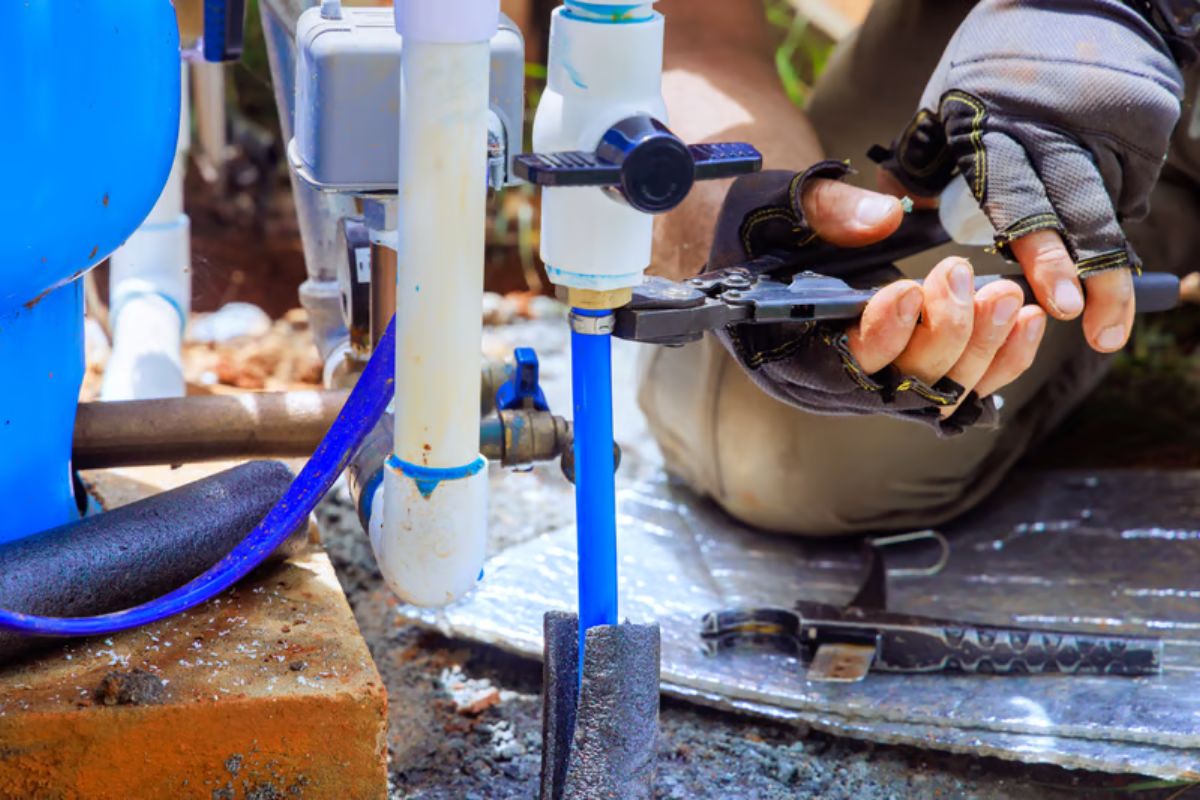
These are the questions utility teams ask Google and AI assistants every day. Each answer covers what it is, how it works and why it matters, with practical notes on how to detect water pipeline leaks sooner.
AI water leak detection finds leaks by learning the normal flow and pressure of each network zone, then flagging the anomalies that signal a leak. It catches both sudden bursts and slow, hidden background losses.
Models read continuous data from district meters and pressure sensors, building a baseline for each zone. When flow stays higher than demand explains, or pressure drifts in a tell-tale pattern, the system raises an alert.
Each alert is ranked by likely loss volume and location, so crews investigate the worst first. The whole process runs in near real time, instead of waiting for a periodic manual survey. The gain is real and measurable.
Catching leaks in near real time means losses are stopped while still small, saving treated water, energy and money.
The best results today come from smart water leak detection technology that combines district metering, pressure sensors and AI analytics. Hardware alone finds leaks slowly; AI turns continuous data into fast, prioritized alerts.
Acoustic sensors, district metered areas and pressure loggers all provide useful signals. On their own, though, they generate data faster than teams can analyze, so many leaks still slip through unnoticed for months.
AI ties these sources together, learning each zone and flagging anomalies automatically. The technology matters less than the intelligence that reads it continuously and ranks where crews should go next. It turns fragmented SCADA and meter data into one clear, live view.
Pairing good sensors with AI is what separates a flood of data from a steady stream of leaks actually found and fixed.
AI reduces non-revenue water by finding leaks faster and prioritizing the worst ones. Since leakage is the largest loss in most networks, catching it early is the single biggest lever for non-revenue water reduction.
By flagging hidden leaks in near real time, AI shrinks the months that water would otherwise drain away unseen. Crews fix problems while they are small, before they grow into major mains bursts.
Ranking leaks by loss volume means the most wasteful ones are repaired first. Across a network, this steadily recovers treated water that was already cleaned, pumped and paid for. Each alert is ranked by impact, so the worst losses are tackled first.
Because leakage is usually the biggest loss, attacking it with AI delivers the fastest, largest cut in non-revenue water.
You find leaks by dividing the network into zones, metering flow into each, and watching for usage that demand cannot explain. AI water leak detection automates this, flagging and locating anomalies continuously across the whole system.
District metered areas let utilities measure water flowing into each zone. Persistent night flow or unexplained demand points to a leak, and AI spots these patterns far faster than manual review of the data.
Pressure analysis then helps narrow the search within a zone. Knowing how to detect water pipeline leaks this way turns a network-wide hunt into a focused visit to the most likely segment. The whole process runs continuously across the entire buried network.
A zoned, data-driven method finds leaks far faster than walking lines, saving both field time and lost water.
The real benefits of AI water leak detection reach across water saved, energy saved and customer trust. The gains below are the ones utilities feel first, and AI water leak detection keeps compounding as more of the network comes online.
Neuralixai AI for Water Management turns flow, pressure and meter data into ranked, located leak alerts in near real time, delivered through Ekam AIaaS.
Real cutting water loss starts with finding leaks before they surface. Want it on your network? Talk to our team.
A hidden leak is a slow, silent invoice. The moment you can hear it, you can stop it.
Neuralixai Team
AI reliably flags zones with abnormal loss and ranks them by likely volume, so crews investigate the right areas first. It will not replace final field confirmation, but it dramatically narrows the search and speeds every repair. That visibility makes utilities proactive.
Often not at first. Many utilities start with existing district meters and pressure data. Neuralixai works with what you already have and recommends targeted sensors only where they clearly improve detection and location accuracy. The result is a leaner, more reliable network.
Yes. Slow background leaks are exactly where AI shines, because it spots small, persistent anomalies that manual surveys miss. Catching these early is central to lasting non-revenue water reduction across an aging network. The result is a leaner, more reliable network.
Zone-level detection can begin within weeks of connecting flow and pressure data. Accuracy improves as models learn each district, so high-loss areas surface in near real time rather than months after the water is gone. The result is a leaner, more reliable network.
Yes, and aging networks benefit most. Smart water leak detection technology reads the data, not the pipe age, so even old, leak-prone systems gain fast, prioritized alerts that guide repairs and extend network life. The result is a leaner, more reliable network.

Tell us about your network and where water keeps disappearing. Our team will show you how AI water leak detection can find leaks faster and cut non-revenue water, with no guesswork. The first conversation is free and practical.
Note: This article is intended to provide general information only. It does not account for the specific operations, equipment or objectives of any individual facility and must not be relied upon as engineering, safety or professional advice.
While every effort has been made to ensure accuracy, technologies and best practices evolve over time. Readers should seek independent professional advice before making operational or investment decisions based on this information. Neuralixai accepts no liability for actions taken solely on the basis of this article.
579, 32nd D Cross, 10th Main,4th Block,
Jayanagar, Bengaluru, Karnataka 560011
148, Patparganj industrial Area, New Delhi 110092
4200 San Jacinto, Houston, Texas 77004, USA