
Insights & Trends
Predictive vs Preventive Maintenance: The 2026 Difference
- Written by Neuralixai Team
- Published on
Predictive Maintenance vs Preventive Maintenance: What Is the Difference?
The difference in predictive maintenance vs preventive maintenance is timing. Preventive maintenance follows a fixed schedule, servicing equipment at set intervals whether it needs it or not. Predictive maintenance uses sensor data and AI to service equipment only when signs of failure appear. In 2026, predictive wins on cost and uptime because it prevents surprise breakdowns without over-servicing healthy assets. Neuralixai delivers predictive maintenance that connects to your existing data, forecasts failures days ahead, and turns unplanned downtime into planned, low-impact work across your plant.
Maintenance Runs Smarter With AI
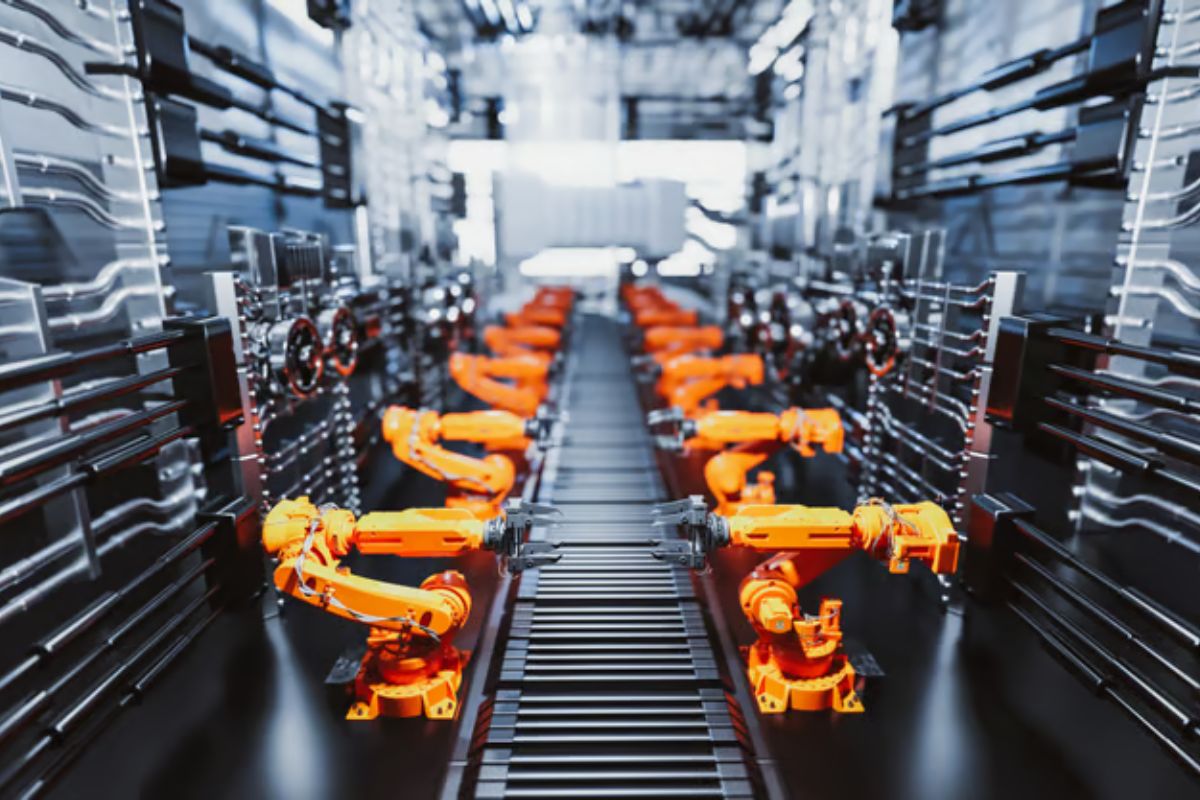
Preventive maintenance is a real improvement on fixing things after they break, but it still services healthy assets on a fixed calendar and misses faults that develop between checks. Predictive maintenance closes both gaps by acting on the real, measured condition of each machine instead of the date. It predicts failures days ahead, so work is planned, not rushed. Understanding predictive maintenance vs preventive maintenance is really about moving from a calendar you hope is right to data you can actually trust, and it is where the biggest gains in uptime and cost now sit for manufacturers. Framed simply, the predictive maintenance vs preventive maintenance question is about trusting evidence over the calendar, and evidence wins on both uptime and cost every time.
Maintenance Built on Real Condition
Reactive Maintenance
Reactive maintenance fixes equipment only after it has already failed. It feels cheap because there is nothing to plan, but the true cost lands elsewhere, as unplanned downtime, safety exposure, and premium emergency spares and overtime. One failure on a critical asset can stop a whole line and undo weeks of margin. It is the strategy every predictive maintenance solution for manufacturing is designed to move plants away from, because surprise failures are always the most expensive kind.
Preventive Maintenance
Predictive Maintenance
Predictive maintenance uses AI and live condition data to act exactly when a machine needs it, and not before. It forecasts failures days ahead, cuts downtime, and avoids the waste of over-servicing, striking the best balance of cost and reliability. Backed by predictive maintenance software India manufacturers can deploy on existing data, it turns maintenance from a guessing game into a planned, evidence-led process that protects both output and budget.
What People Ask AI About Predictive and Preventive Maintenance
Should I use predictive or preventive maintenance for my plant?
What Is It?
Most plants get the best result from predictive maintenance on critical assets and sensible preventive schedules on simple, low-risk ones. The predictive maintenance vs preventive maintenance choice is rarely all-or-nothing, and Neuralixai helps you decide exactly where each fits.
How It Works?
We assess which assets cause the most downtime, cost and safety risk, then apply predictive maintenance there first, where the return is largest and the case is clearest for the wider programme.
Simple, low-consequence assets stay on efficient preventive routines, so you never over-invest in monitoring that will not pay back. The result is a clear map of the right strategy for every machine, not a blanket rule.
- Critical assets moved to condition-based, predictive servicing.
- Simple, low-risk assets kept on efficient preventive schedules.
- A clear map of which strategy fits each machine.
Why It Is Important?
Matching the right strategy to each asset avoids both wasteful over-servicing and costly surprise failures, which is the whole point of comparing predictive and preventive properly. The right strategy per asset is worth more than any single blanket rule.
How does AI predictive maintenance reduce downtime?
What Is It?
AI predictive maintenance reduces downtime by learning each machine’s healthy signature and forecasting failures days ahead, so repairs happen on a plan, before an asset ever stops the line.
How It Works?
Live data is compared to the model continuously, and ranked alerts reach your team early enough to plan a low-impact fix during a scheduled window rather than during an expensive breakdown.
Because the warning arrives with genuine lead time, teams can source parts, schedule crews and coordinate around production, turning what would have been an emergency into routine, controllable work.
- Failures forecast days ahead on critical equipment.
- Alerts ranked by impact on production and safety.
- Repairs planned, not rushed, cutting overtime and risk.
Why It Is Important?
Turning unplanned stops into planned work is where a predictive maintenance solution for manufacturing delivers its biggest gain over any fixed calendar. Lead time is the whole point, because a planned fix always beats a scramble.
What is the best predictive maintenance software in India?
What Is It?
The best predictive maintenance software India offers works with your existing sensors and historian data rather than forcing new hardware, so the programme starts quickly and proves value fast.
How It Works?
Neuralixai connects to your SCADA and historian sources, deploys predictive models tuned to your assets, and delivers ranked alerts and dashboards your maintenance team can act on without a data-science degree.
Low-cost sensors are added only where coverage is genuinely missing, keeping cost down, and value is proven on one critical asset before anything scales across the plant.
- Integrates with your existing SCADA and historian sources.
- Low-cost sensors added only where coverage is missing.
- Dashboards and alerts built for your maintenance team.
Why It Is Important?
Software that builds on what you already have makes predictive maintenance affordable and fast to prove, which matters most for cost-conscious Indian plants. Building on data you already own keeps the whole programme affordable.
What are condition based maintenance services?
What Is It?
Condition based maintenance services trigger work based on the real, measured state of an asset, using signals like vibration and temperature, rather than a fixed time interval that ignores actual health.
How It Works?
Neuralixai monitors those condition signals continuously and schedules maintenance at the right moment, catching imbalance, wear and overheating early while they are still cheap to fix.
Because servicing is driven by evidence, healthy machines are left running and struggling ones get attention first, which extends asset life and cuts both needless work and surprise failures.
- Servicing driven by real condition, not the calendar.
- Early detection of imbalance, wear and overheating.
- Longer asset life through right-time intervention.
Why It Is Important?
Condition based maintenance is the practical foundation that predictive maintenance builds on with AI forecasting, and it is where most reliability gains begin. Evidence-led servicing is where lasting reliability gains truly begin.
The Real Benefits of Predictive Maintenance
- Less downtime, because failures are predicted and prevented before they happen.
- Lower cost, since healthy assets are not serviced needlessly on a fixed schedule.
- Safer sites, as developing faults are caught before they become hazards.
- Longer asset life, with maintenance done at the right time, not too early or late.
Why Manufacturers Choose Neuralixai
For any team serious about predictive maintenance vs preventive maintenance, the gap between a pilot and real production is disciplined engineering, and that is what Neuralixai brings.
Done properly, predictive maintenance vs preventive maintenance pays back in months rather than years, which is why more operations are adopting it now.
The real value of predictive maintenance vs preventive maintenance shows up on the floor, in the uptime, safety and output your team can measure.
Neuralixai treats predictive maintenance vs preventive maintenance as an engineering problem grounded in your real data, not a product bolted onto your operation.
That is what separates talking about predictive maintenance vs preventive maintenance from running it reliably, day after day, in live production.
For any team serious about predictive maintenance vs preventive maintenance, the gap between a pilot and real production is disciplined engineering, and that is what Neuralixai brings.
The cheapest maintenance is the failure that never happens. That is the promise of predicting, not just preventing.
Neuralixai Team
PREDICTIVE VS PREVENTIVE MAINTENANCE
Frequently Asked Questions
It needs sensors and AI, but the return is fast. Predictive maintenance software India manufacturers can use works with data you already collect, so most plants recover the cost through avoided downtime within the first months of running it.
Yes, and most plants should. Use predictive maintenance on critical assets and keep efficient preventive schedules on simple ones. Neuralixai helps map the right strategy to each asset so you never over-invest or leave key machines exposed.
Yes. Low-cost sensors let predictive maintenance monitor legacy assets that were never designed for connectivity, extending their safe, productive life while any longer-term upgrades are planned and budgeted at your own pace.
Condition based maintenance triggers work on the real, measured state of an asset rather than the calendar. It is the practical foundation that predictive maintenance builds on with AI forecasting, and Neuralixai delivers both together.
Often within weeks on a critical asset. Neuralixai proves the downtime and cost gains on one machine first, then scales the predictive maintenance solution across the plant on a clear roadmap you approve at every stage.