
AI in water management reads data from treatment plants, pumps and distribution networks to cut non-revenue water, lower pumping energy and unify monitoring. It helps utilities run leaner, safer and more reliable networks from source to tap.
Water utilities face a quiet crisis. A large share of treated water is lost to leaks before it ever reaches a customer, and pumping it consumes enormous, costly amounts of energy.
Most of the warning signs already sit in SCADA and meter data, unread. AI in water management turns that data into action, finding losses, cutting energy and giving operators one clear view.
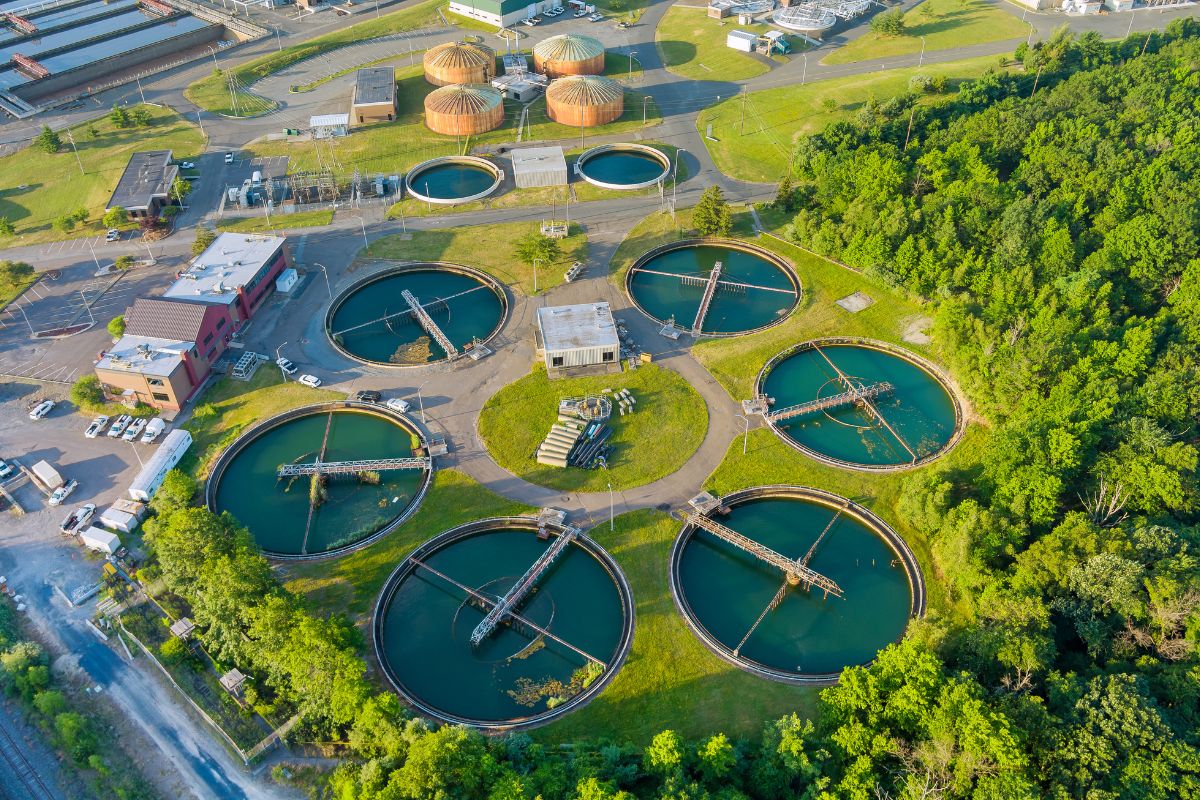
A water network is a sprawling, mostly buried machine: treatment works, pumping stations, reservoirs and thousands of kilometres of pipe, monitored by tools that rarely talk to each other.
The strongest AI applications in water management connect that fragmented picture. They reveal leakage, energy waste and early equipment faults that no single dashboard could ever surface on its own.
The result is a utility that sees its whole network at once. Treated water is protected, pumping is optimized, and scattered data becomes one live, trusted operational view. That is the promise of AI applications in water management.
A water utility runs on three connected systems: treatment, distribution and the energy that moves everything. AI in water management adds intelligence to each. Here is where the clearest savings sit. Most AI applications in water management start right here.
Treatment plants must hit strict quality targets while chemicals, flow and demand shift constantly. AI models the process and recommends dosing and settings in real time, holding quality steady while reducing chemical and energy waste.
It also predicts faults in pumps, blowers and dosing equipment before they disrupt treatment. Operators get early, ranked alerts, so they protect both compliance and uptime instead of reacting to problems after quality has already slipped. Across the network, those savings compound into real budget the utility can redirect.
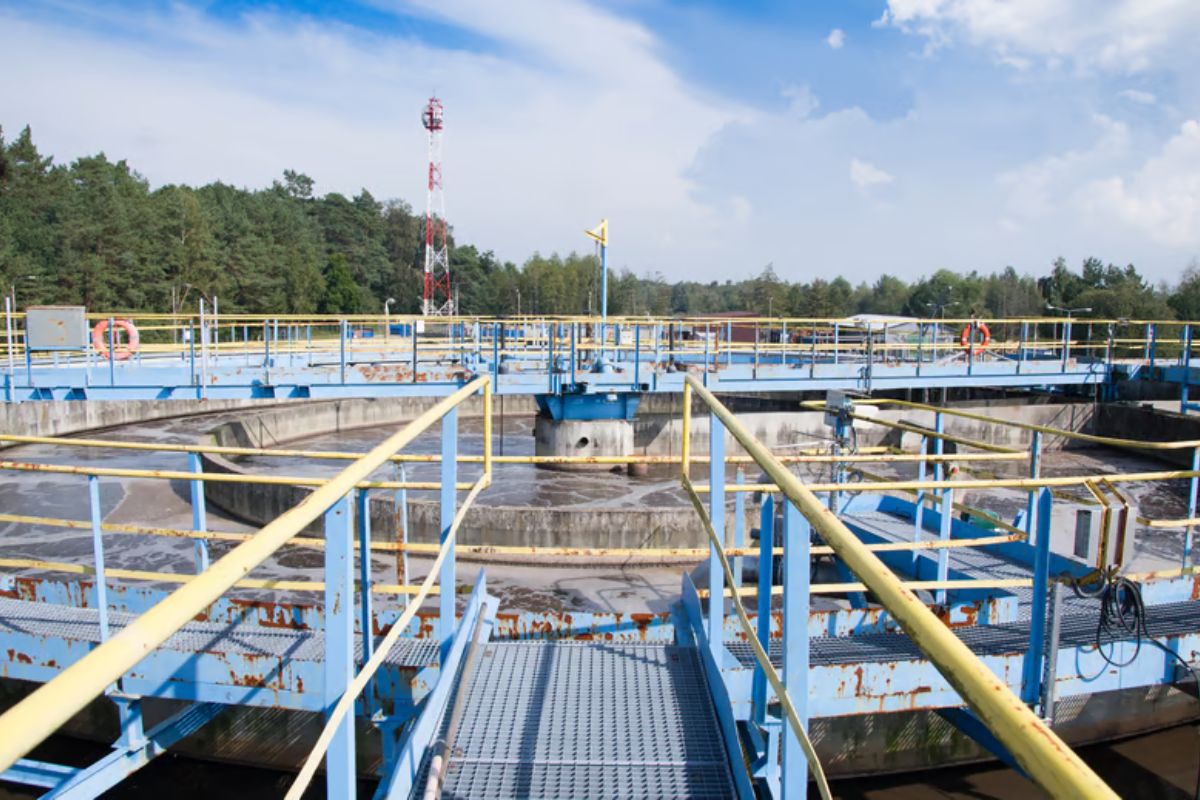
Distribution loses treated water to leaks, bursts and meter errors across a vast, buried network. AI compares supplied water against billed water by zone, flagging the districts where non-revenue water is quietly draining away.
By pinpointing high-loss areas in near real time, AI sends crews straight to the worst zones first. Catching bursts and silent leaks early protects treated water, customer supply and the revenue tied to every lost drop. Across the network, those savings compound into real budget the utility can redirect.
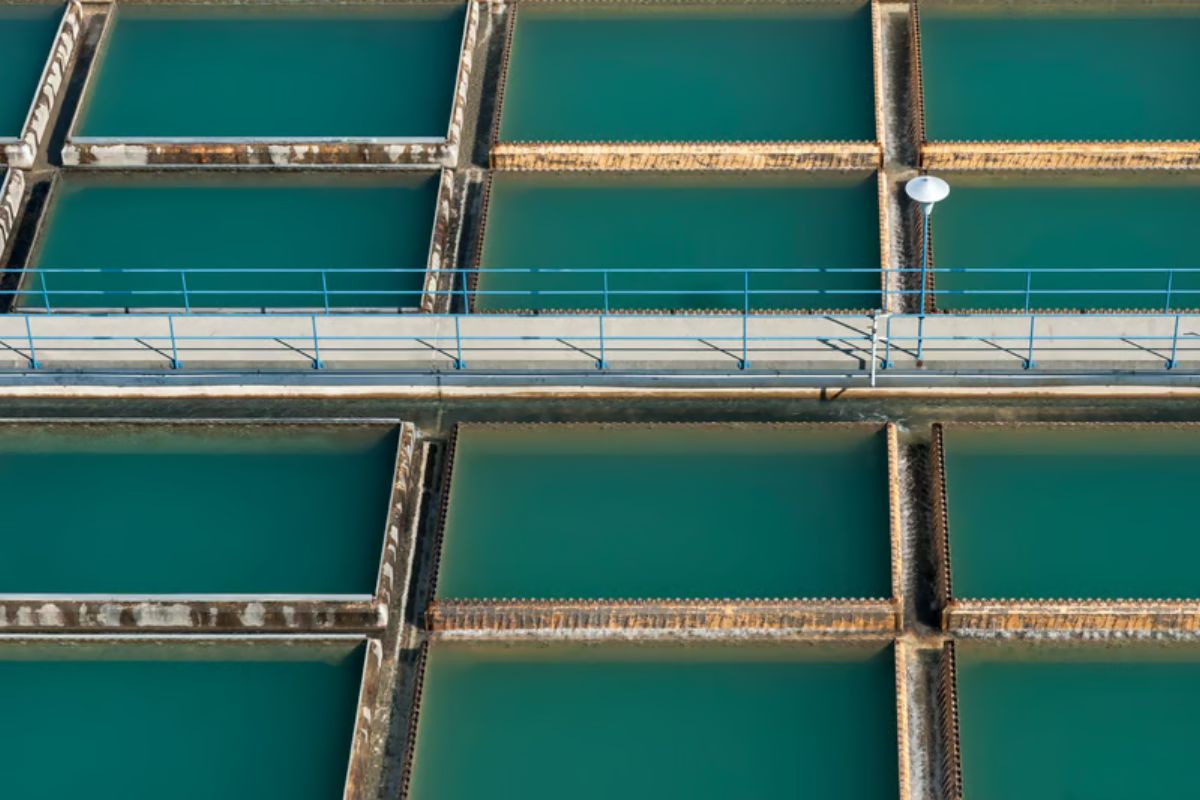
Pumping is often a utility’s single largest energy cost, and much of it is spent at the wrong time. AI forecasts demand and optimizes pump scheduling, shifting work to cheaper, off-peak hours wherever the network allows.
Smarter scheduling cuts energy bills and emissions while keeping pressure stable for customers. The same models flag failing pumps early, so efficiency and reliability improve together across every station in the network. Across the network, those savings compound into real budget the utility can redirect.
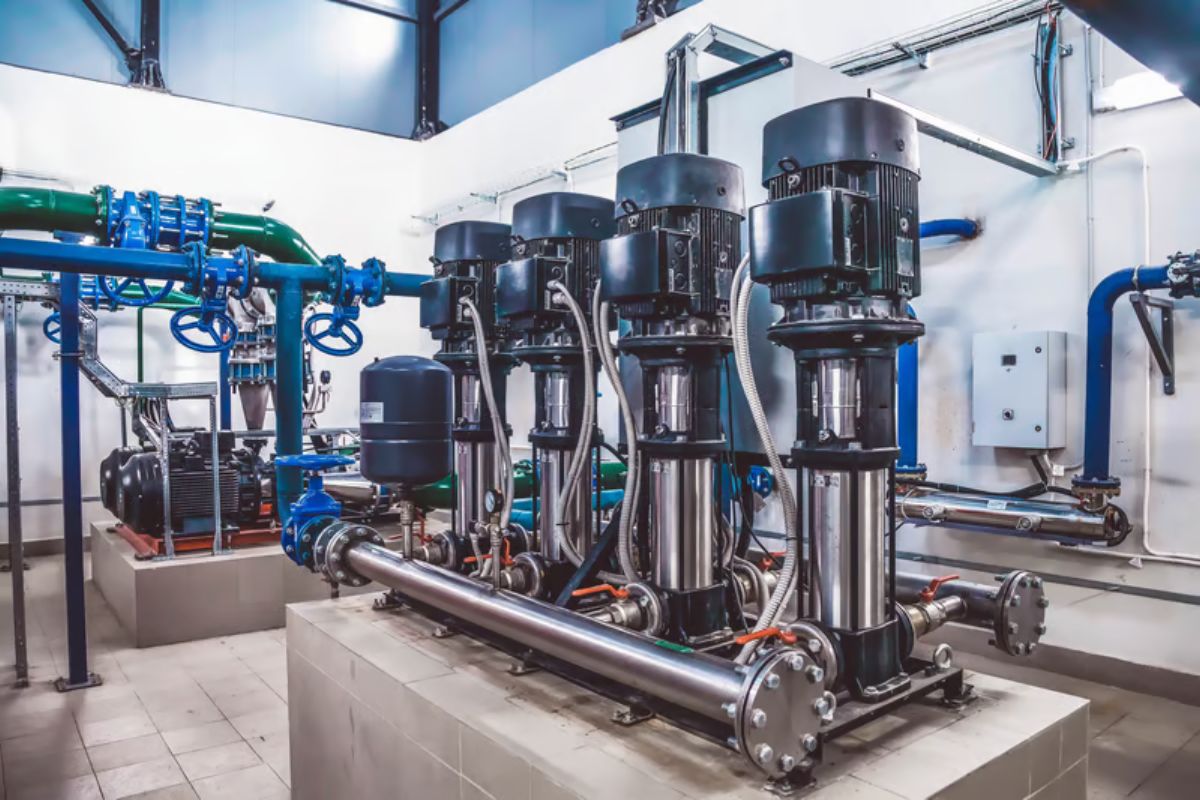
These are the questions utility managers and engineers ask Google and AI assistants every day. Each answer covers what it is, how it works and why it matters, with practical notes on how to reduce non-revenue water. This matters greatly for AI for water utilities in India.
AI in water management is used to detect leaks and non-revenue water, optimize treatment and pump scheduling, predict equipment faults and unify monitoring. It spans treatment, distribution and energy across the whole utility network.
Models learn the normal behavior of flow, pressure, quality and demand, then flag the anomalies that signal leaks, faults or waste. They read SCADA, meter and sensor data continuously, across systems that rarely connect.
Each insight is ranked by impact on cost, compliance and supply, so teams act on the biggest issue first. The result is less lost water, lower energy use and a clearer view of the network. The gain is real and measurable.
Because so much treated water and energy is quietly wasted, intelligence turns existing data into real savings utilities can measure.
AI reduces non-revenue water by finding the leaks, bursts and meter errors that drain treated water before it is billed. It compares supplied against billed water by district and pinpoints where losses concentrate.
By learning normal flow and pressure for each zone, AI spots the subtle anomalies that signal a hidden leak or a sudden burst. It flags the worst districts in near real time, not months later.
Knowing exactly how to reduce non-revenue water then becomes practical: crews are sent to the highest-loss zones first, with clear evidence. Repairs are prioritized where they recover the most water per visit. The gain is real and measurable.
Every cubic metre of non-revenue water recovered is water already cleaned and pumped, saved at a fraction of the cost of producing more.
Key AI use cases in water utilities include leak and non-revenue-water detection, treatment optimization, pump-energy optimization, predictive maintenance and demand forecasting. Together they cut losses, energy and downtime across the network.
Leak detection and pump optimization usually deliver the fastest financial returns, by recovering water and cutting the largest energy bill. Treatment optimization then protects quality while trimming chemical and energy waste.
Predictive maintenance and demand forecasting protect reliability and help plan ahead. Many utilities start with one high-value use case, such as leakage, then expand once the savings are clearly proven. Each alert is ranked by impact, so the worst losses are tackled first.
A clear set of proven use cases gives utilities a low-risk path to start saving water and energy quickly.
Yes. Pumping and treatment are energy-intensive, and much of that energy is spent inefficiently. AI lowers costs by optimizing pump scheduling and treatment settings while keeping quality and pressure within safe limits.
AI forecasts demand and shifts pumping toward cheaper, off-peak hours wherever the network allows, without compromising supply. It also tunes treatment dosing so chemicals and energy are used only where genuinely needed.
The same models flag failing or inefficient pumps early, so degraded equipment does not quietly waste power. Efficiency and reliability then improve together across every station in the system. Each alert is ranked by impact, so the worst losses are tackled first.
Since energy is often a utility’s biggest controllable cost, even modest efficiency gains free up significant budget every year.
The real benefits of AI in water management reach across losses, energy and reliability. The gains below are the ones utility leaders notice first, and AI in water management keeps paying back as the network grows and ages. It is the clearest path to how to reduce non-revenue water.
Neuralixai AI for Water Management unifies data from treatment, pumping and distribution, then turns it into leak, energy and maintenance insight ranked by value, delivered through Ekam AIaaS.
Trusted AI for water utilities in India and beyond is how leaner networks stop paying twice for lost water. Want it on your network? Talk to our team.
Every drop a utility loses is a drop it paid to clean and pump. AI is how the smartest networks stop paying twice.
Neuralixai Team
No. Cloud AI scales from a single town network to a metro utility. Smaller utilities often gain the most, because recovering even part of their non-revenue water or pump energy makes a clear, immediate difference to tight budgets. That visibility makes utilities proactive.
Most utilities already have enough. SCADA, flow and pressure sensors, meter records and pump data are common starting points. Neuralixai works with what you already collect and adds sensors only where they clearly sharpen results. The result is a leaner, more reliable network.
Yes. AI for water utilities in India is especially valuable, given high non-revenue water and rising energy costs. Edge and cloud options suit varied infrastructure, helping both large boards and smaller municipal networks recover water and energy. That visibility makes utilities proactive.
Zone-level anomaly detection can begin within weeks of connecting flow and pressure data. Accuracy improves as models learn each district, so high-loss areas surface in near real time rather than months after the water is gone. Used well, the value compounds quickly.
No. AI layers on top of your existing SCADA and metering, reading data without replacing your control systems. It adds intelligence and a unified view, so operators gain insight without re-engineering the network they already run. Used well, the value compounds quickly.

Tell us about your network and where water or energy seems to vanish. Our team will show you how AI in water management can cut non-revenue water and pumping cost, with no guesswork. The first conversation is free and practical.
Note: This article is intended to provide general information only. It does not account for the specific operations, equipment or objectives of any individual facility and must not be relied upon as engineering, safety or professional advice.
While every effort has been made to ensure accuracy, technologies and best practices evolve over time. Readers should seek independent professional advice before making operational or investment decisions based on this information. Neuralixai accepts no liability for actions taken solely on the basis of this article.
579, 32nd D Cross, 10th Main,4th Block,
Jayanagar, Bengaluru, Karnataka 560011
148, Patparganj industrial Area, New Delhi 110092
4200 San Jacinto, Houston, Texas 77004, USA