
Why AI in Renewable Energy Matters Now ?
This technology reads data from panels, turbines, storage and the grid to boost output, predict faults and cut curtailment. It turns variable, weather-driven generation into reliable, well-managed power across distributed clean-energy assets.
Renewables are now the cheapest new power in much of the world, but they are also variable and spread across thousands of assets. Sunlight and wind do not arrive on schedule.
That variability is exactly where intelligence pays off. AI in renewable energy systems forecasts generation, spots underperformance and aligns output with demand, lifting yield from assets you already own.
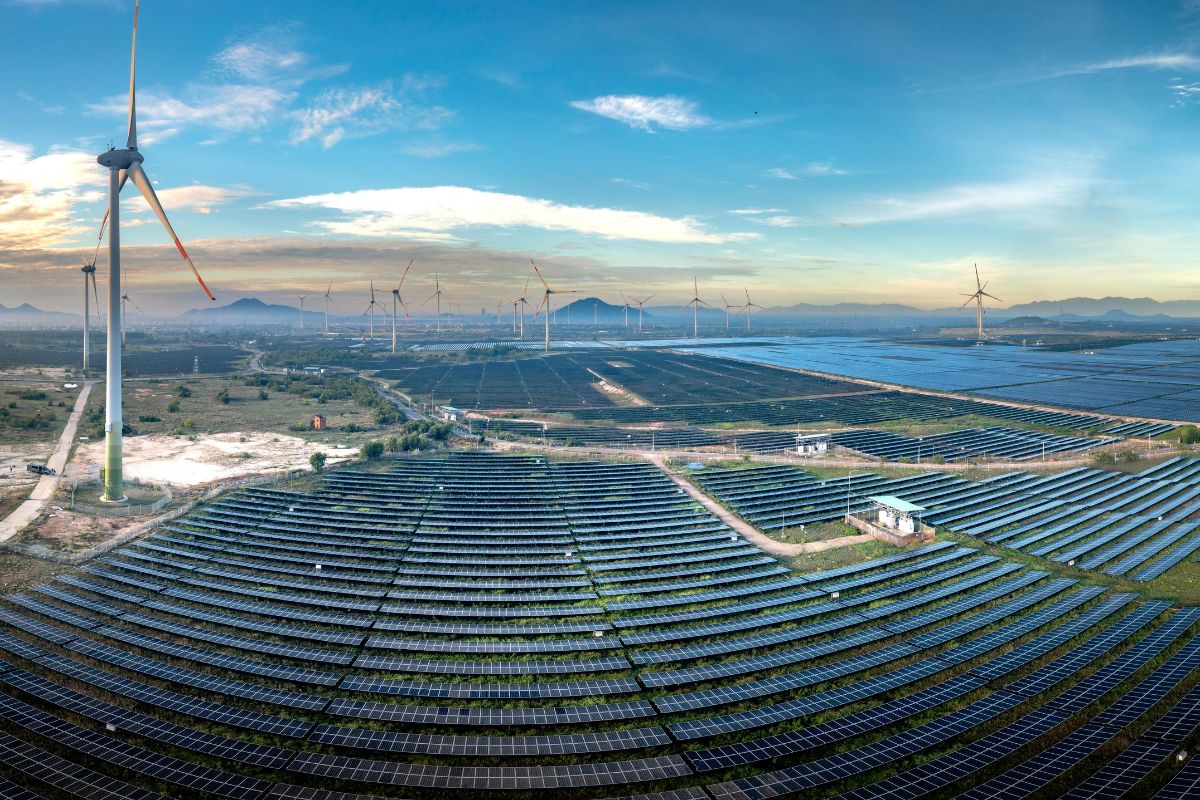
Clean Energy
Performs Better With AI
modern renewable portfolio is a vast, distributed machine: panels degrading slowly, turbines spinning in punishing conditions, batteries cycling daily and a grid that must stay perfectly balanced.
The strongest use cases in AI in renewable energy watch this whole system at once. They reveal the hidden generation gaps and quiet degradation that rob yield long before a technician would ever notice.
The result is more clean power from the same hardware. Data that once sat in isolated monitoring tools becomes a single, live view of performance across every site. The same is true of AI for wind energy on demanding sites.
AI Built for Maximum Yield
A renewable portfolio has three performance frontiers: solar, wind and the grid-plus-storage layer that ties them together. AI in renewable energy adds intelligence to each. Here is where the biggest gains hide. Operators often see it first with AI for wind energy.
Get More From Every Panel
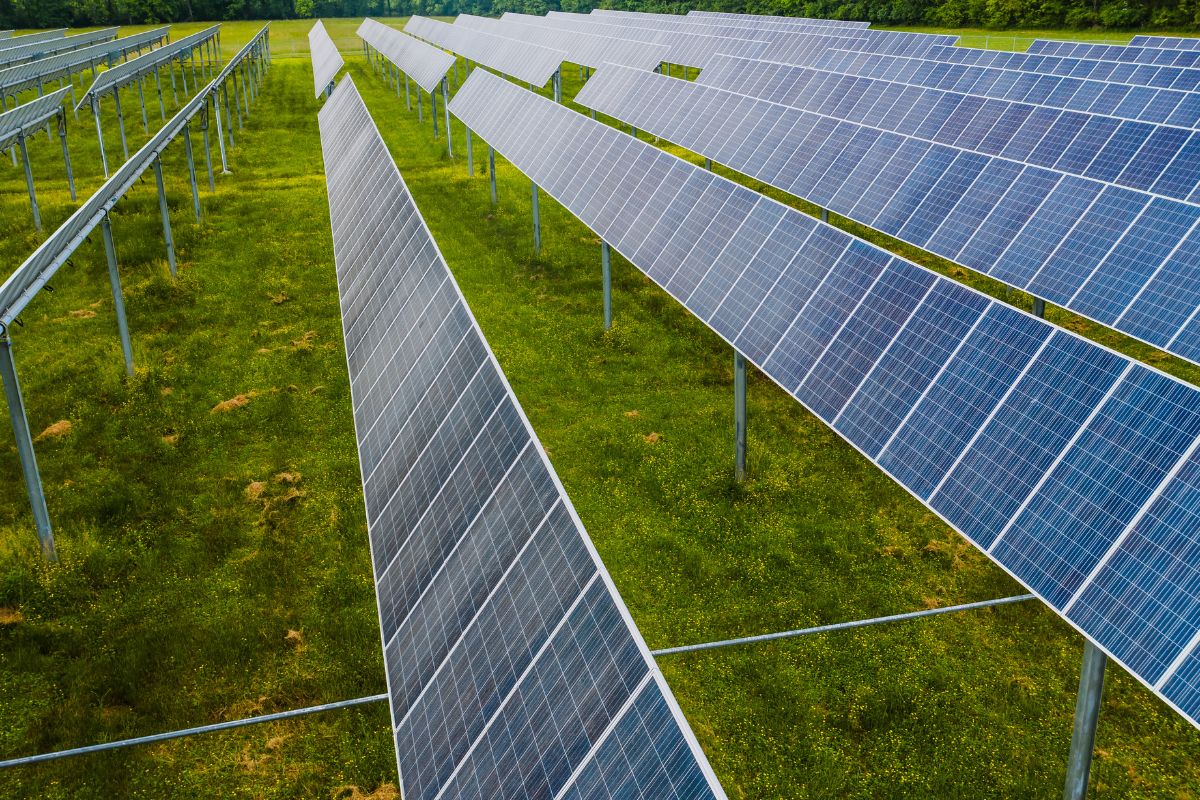
Solar arrays lose output slowly to soiling, shading, degradation and faulty strings, and most of it goes unnoticed. AI for solar power plants compares live generation against expected yield for the weather, exposing every quiet underperformer.
By flagging the exact panels, strings or inverters losing power, AI turns vague underperformance into a precise work order. Cleaning, repair and replacement are targeted where they pay back fastest, lifting yield across the site. The same models run from edge to cloud, so even remote sites stay covered.
Keep Turbines Spinning Longer
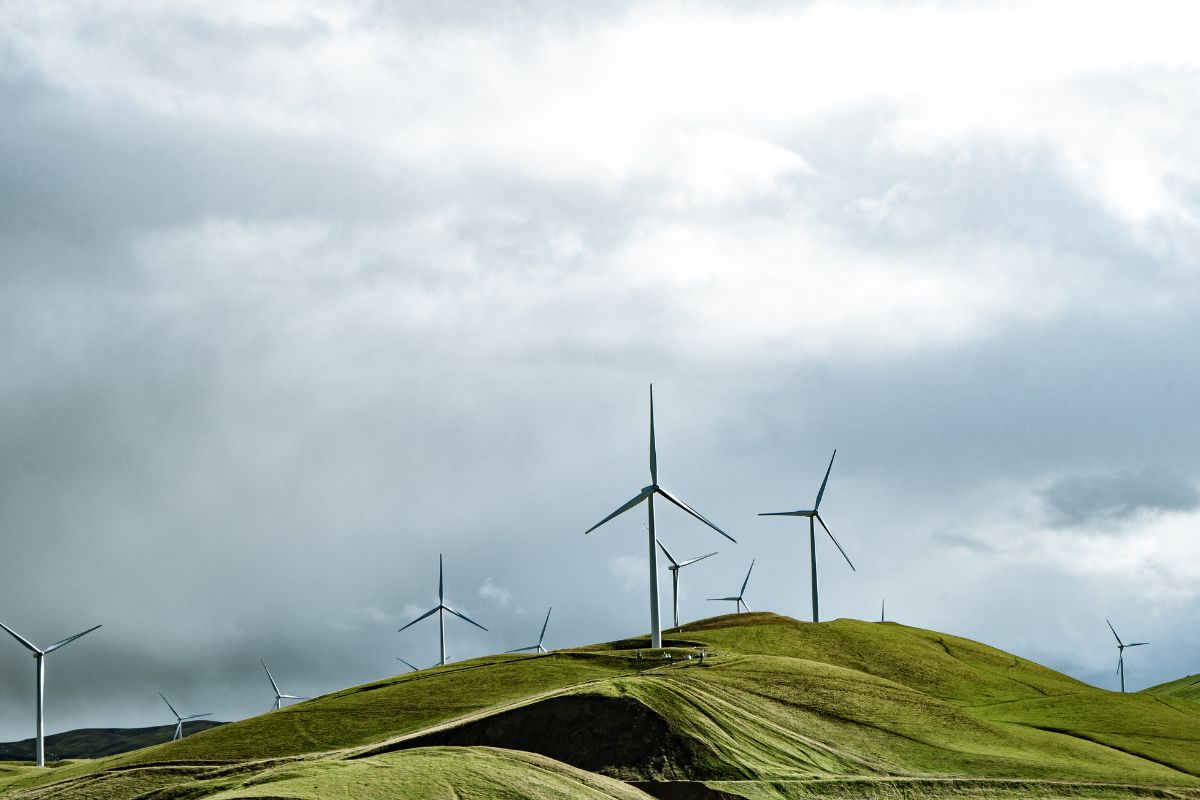
Wind turbines operate under constant mechanical stress, where a single gearbox or bearing failure means weeks of lost generation. AI for wind energy reads vibration, temperature and performance data to catch wear long before it breaks.
Early, ranked alerts let operators service turbines on calm, planned days instead of during peak wind. Catching faults early protects the most expensive components and keeps more of the fleet generating when it matters most. The same models run from edge to cloud, so even remote sites stay covered.
Balance Storage and the Grid
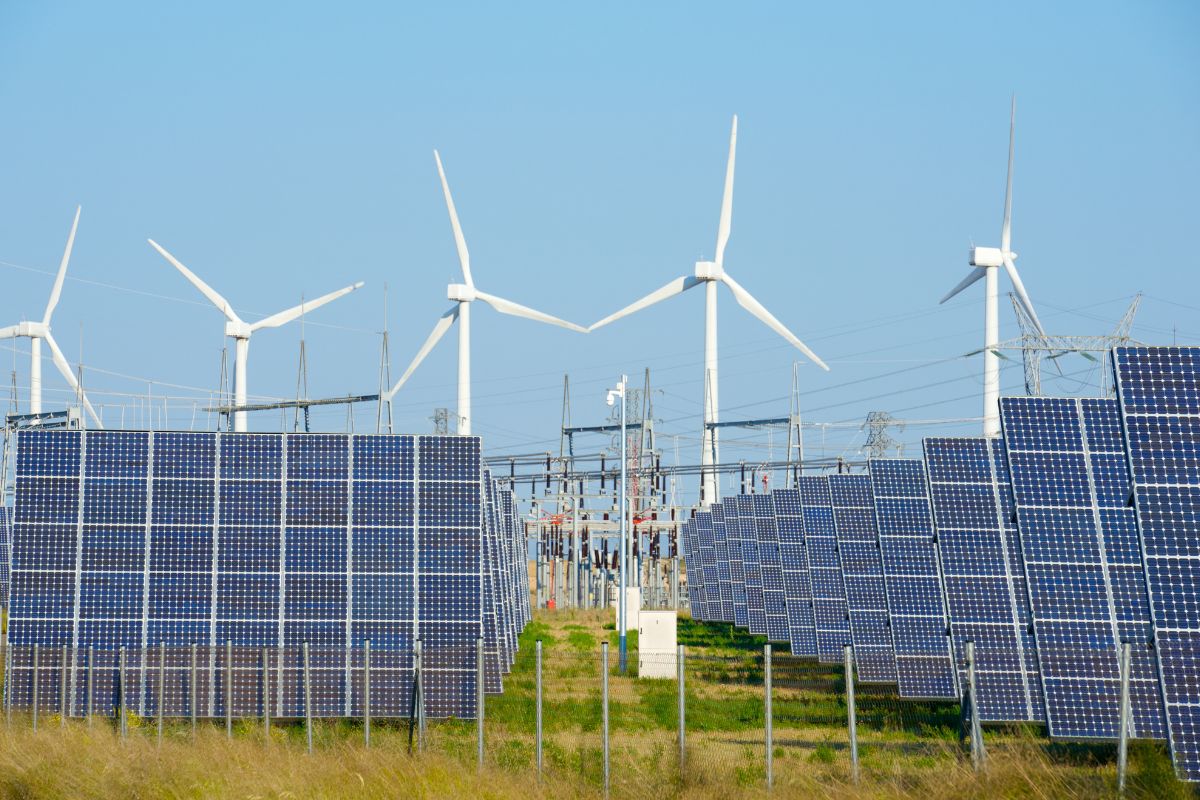
Storage and the grid layer must balance supply, demand and price every minute. AI forecasts generation and load, then guides when to store, dispatch or sell energy to capture the most value and avoid waste.
Smarter dispatch reduces curtailment, the clean power that would otherwise be thrown away. The same forecasting protects battery health and grid stability, turning a variable resource into dependable, well-timed supply. The same models run from edge to cloud, so even remote sites stay covered. The approach scales cleanly from one array to an entire fleet.
What People Ask AI About Renewable Energy AI
These are the questions developers and operators ask Google and AI assistants every day. Each answer covers what it is, how it works and why it matters, with real AI applications in renewable energy to keep it concrete.
How is AI used in renewable energy?
What Is It?
AI in renewable energy is used to forecast generation, predict equipment faults, detect underperformance and optimize storage and grid dispatch. It spans solar, wind, storage and grid operations across distributed, weather-driven assets.
How It Works?
Models learn the expected behavior of each asset given the weather and conditions, then compare it with live output. They flag panels, turbines or inverters that are quietly underperforming or drifting toward failure.
AI also forecasts generation and demand, guiding when to store, dispatch or sell energy. Each insight is ranked by value, so operators act on the highest-impact opportunity first. In practice, crews act on clear evidence instead of guessing at the cause.
- Generation forecasting aligns output and storage with real demand.
- Fault prediction protects turbines, inverters and storage assets.
- Underperformance detection recovers yield from existing hardware.
Why It Is Important?
Because renewables are variable and distributed, intelligence is what turns unpredictable weather into reliable, well-managed clean power.
How does AI improve solar and wind output?
What Is It?
AI improves output by catching the losses that hardware alone cannot see: soiling, degradation, faulty strings and early turbine wear. It compares actual generation with what conditions should deliver, then targets the gap.
How It Works?
For solar, AI for solar power plants benchmarks each string against expected yield and flags the exact underperformers. Cleaning and repair are then aimed where they recover the most energy per dollar spent.
For wind, models read vibration and performance to predict faults and reduce downtime during high-wind periods. More turbines stay healthy and generating exactly when output is most valuable. In practice, crews act on clear evidence instead of guessing at the cause.
- Solar benchmarking exposes soiling, shading and faulty strings precisely.
- Wind fault prediction cuts downtime during the windiest, richest periods.
- Targeted work recovers the most yield for every maintenance dollar.
Why It Is Important?
Recovering even a few percent of lost generation across a portfolio adds up to significant clean energy and revenue every year.
What are AI applications in renewable energy?
What Is It?
Key AI applications in renewable energy include generation forecasting, predictive maintenance, underperformance detection, curtailment reduction and storage optimization. Together they lift yield, protect assets and stabilize supply.
How It Works?
Forecasting and dispatch optimization manage variability, deciding when to store or sell power. Predictive maintenance and underperformance detection protect the hardware and recover lost output across solar and wind.
Curtailment reduction then rescues clean power that would otherwise be wasted. Most operators begin with one application on one asset class, then expand once the gains are clearly proven. In practice, crews act on clear evidence instead of guessing at the cause.
- Forecasting and dispatch turn variable supply into dependable power.
- Predictive maintenance protects turbines, inverters and batteries.
- Curtailment reduction rescues clean energy that would be wasted.
Why It Is Important?
A clear menu of proven applications gives operators a low-risk path to start capturing value quickly.
Can AI reduce energy curtailment?
What Is It?
Yes. Curtailment happens when clean power is wasted because supply, demand or grid limits do not line up. AI reduces it by forecasting both generation and load, then timing storage and dispatch to capture more energy.
How It Works?
By predicting how much solar and wind will arrive, and when demand will peak, AI helps operators store surplus instead of dumping it. Batteries charge and discharge at the smartest possible moments.
The same forecasts support grid stability, so more renewable power can be absorbed safely. Less clean energy is thrown away, and more of it reaches paying customers. In practice, crews act on clear evidence instead of guessing at the cause.
- Generation and demand forecasts reveal when to store surplus power.
- Smart dispatch times battery charge and discharge for best value.
- Better grid alignment lets more renewable power be absorbed safely.
Why It Is Important?
Every megawatt-hour saved from curtailment is clean power already generated, recovered at almost no extra cost.
The Real Benefits of AI in Renewable Energy
The real benefits of AI in renewable energy reach across yield, uptime and grid value. The gains below are the ones owners and operators notice first, usually from assets they already own. AI in renewable energy makes existing hardware work harder. Nowhere is this clearer than AI for solar power plants.
- Higher yield, as soiling, degradation and faulty strings are found and fixed fast.
- Less downtime, because turbine and inverter faults are predicted before they break.
- Less curtailment, with forecasting and storage timed to capture every clean megawatt.
- Steadier supply, as variable generation is aligned with real demand and the grid.
Why Energy Leaders Choose Neuralixai
Neuralixai AI for Renewable Energy unifies data from panels, turbines, storage and the grid, then turns it into yield, maintenance and dispatch insight ranked by value, delivered through Ekam AIaaS.
Instead of chasing underperformance by hand, your team sees exactly where the next megawatt hides. Want it on your sites? Talk to our team.
Clean energy is only as powerful as it is reliable. AI is what turns sunlight and wind into output you can count on.
Neuralixai Team
AI in Renewable Energy
Frequently Asked Questions
Yes. Cloud AI scales from a single rooftop array to a national portfolio. Smaller and distributed sites often benefit greatly, because a few percent more yield or less downtime makes a clear difference to project returns. Intelligence makes clean energy truly count.
Most sites already have enough. Inverter, SCADA and meteorological data, plus generation records, are common starting points. Neuralixai works with the monitoring you already have and adds sensors only where they sharpen the picture. It is a low-risk way to start small.
Yes. By learning each asset's healthy signature, AI flags wear in gearboxes, bearings and inverters early. Operators then schedule repairs during low-generation windows, protecting expensive components and keeping more of the fleet producing. It is a low-risk way to start small.
Yes. Accurate generation and demand forecasts help operators meet grid commitments and reduce penalties. Better timing of storage and dispatch supports stability, letting more renewable power be absorbed without risking the network. It is a low-risk way to start small.
Underperformance detection can surface recoverable yield within weeks of connecting data. Predictive accuracy then improves as models learn each asset and the weather patterns of your sites, so value compounds across the first months. It is a low-risk way to start small.

Any questions you want to ask?
Tell us about your portfolio and where generation seems to slip. Our team will show you how AI in renewable energy can lift yield, cut downtime and reduce curtailment, with no guesswork. The first conversation is free and practical.
Note: This article is intended to provide general information only. It does not account for the specific operations, equipment or objectives of any individual facility and must not be relied upon as engineering, safety or professional advice.
While every effort has been made to ensure accuracy, technologies and best practices evolve over time. Readers should seek independent professional advice before making operational or investment decisions based on this information. Neuralixai accepts no liability for actions taken solely on the basis of this article.