
AI in oil and gas industry operations turns sensor, SCADA and historian data into early warnings and better decisions across upstream, midstream and downstream. It cuts unplanned downtime, lifts production and improves safety in some of the world’s most demanding environments.
Few industries generate more data, or face higher stakes, than oil and gas. Every well, pipeline and refinery streams signals that hint at risk and opportunity long before a human notices.
Most of that signal is still wasted. AI in oil and gas industry workflows changes that, reading the data continuously and turning it into action that protects output, budgets and people.
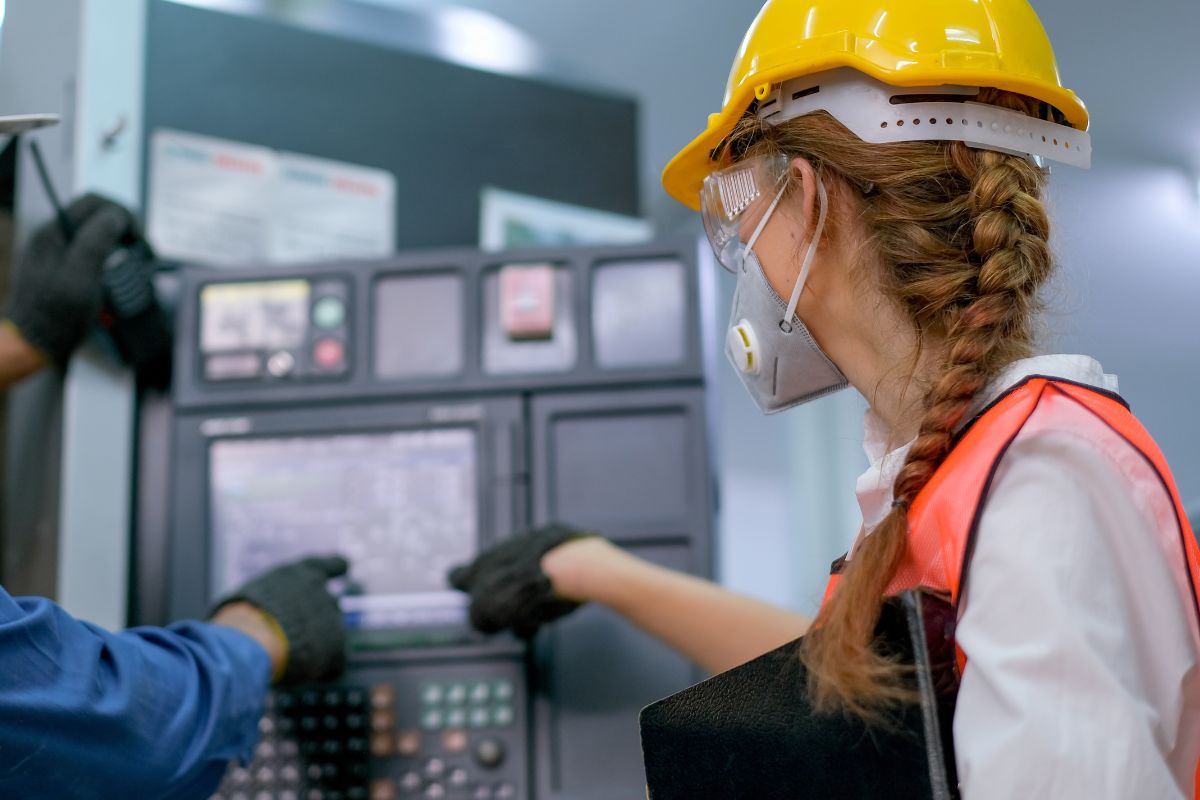
From the reservoir to the refinery, the sector runs on aging, asset-intensive equipment in remote and hazardous locations. A single unplanned shutdown can cost millions and put people at risk.
The most valuable AI use cases in oil and gas share one trait: they predict and prevent, rather than react. They watch the whole system, not one gauge, and flag trouble while there is still time to act.
The result is fewer surprises, steadier production and safer sites. Data that once sat idle in historians becomes a live, trusted layer of operational intelligence across the value chain. Nowhere is the shift clearer than with AI in upstream oil and gas. That is the real promise of AI in oil and gas industry today.
The value chain has three stages, and AI in oil and gas industry operations adds intelligence to each. Here is where the strongest, most proven wins sit across upstream, midstream and downstream.
Upstream covers exploration, drilling and production, where conditions are harsh and data is noisy. AI in upstream oil and gas reads downhole and surface signals to predict equipment failure, optimize lift and reduce non-productive time on the rig.
By spotting stuck-pipe risk, pump wear and reservoir changes early, AI helps crews act before small issues become expensive shutdowns. The same models guide drilling decisions, squeezing more safe, efficient output from every single well. The approach scales cleanly from a single asset to an entire field.
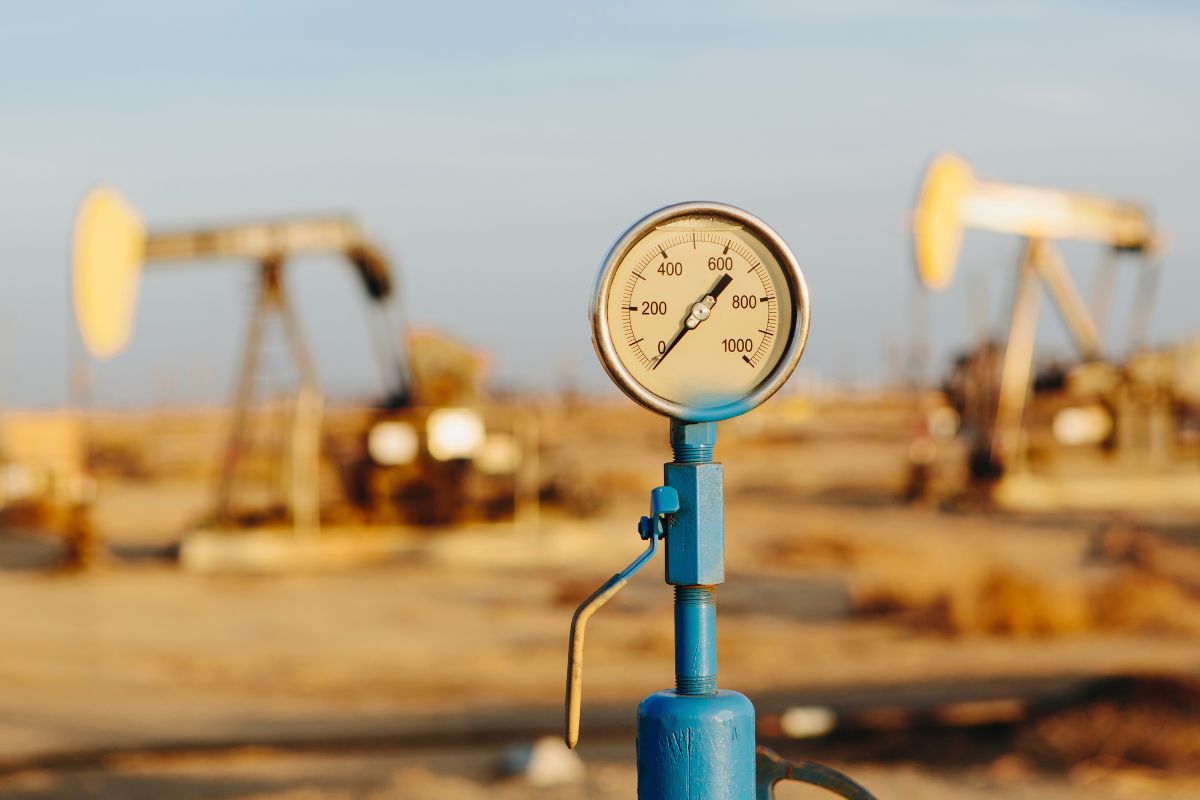
Midstream moves product through vast networks of pipelines, compressors and storage. AI continuously watches pressure, flow and vibration to detect leaks, blockages and equipment degradation long before they threaten safety or supply.
Early, ranked alerts let operators schedule repairs on their own terms instead of reacting to emergencies. The same intelligence optimizes compressor performance and energy use, keeping product moving safely and at lower operating cost. In the field, that means fewer emergencies and safer, calmer work for every crew.
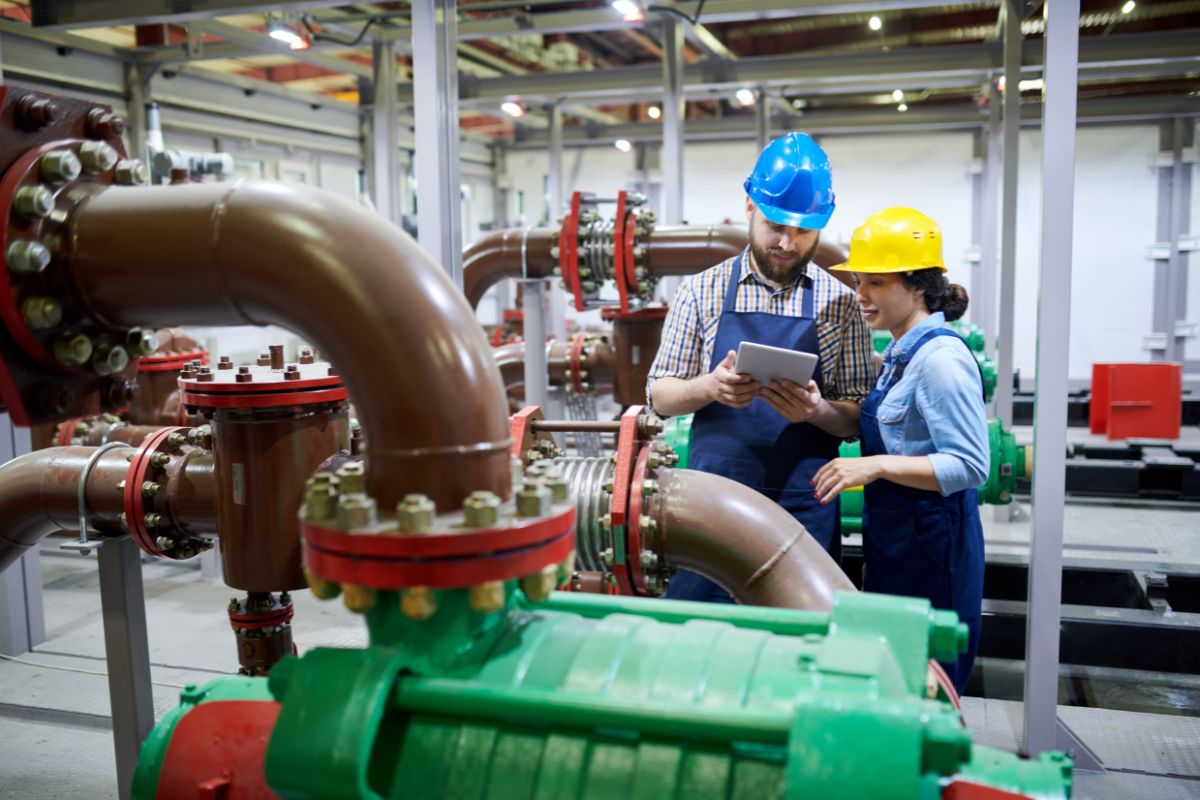
Downstream covers refining and processing, where tiny inefficiencies multiply across complex, interconnected units. AI models the whole plant, predicts failures in critical assets and tunes operating conditions for yield, energy and emissions.
Catching fouling, corrosion and process drift early protects both throughput and safety. Operators get clear, prioritized guidance, turning a flood of refinery data into confident decisions that protect margin shift after shift. In the field, that means fewer emergencies and safer, calmer work for every crew. Across a year, those avoided shutdowns protect significant production and margin.
These are the questions operators and engineers ask Google and AI assistants every day. Each answer covers what it is, how it works and why it matters, with concrete value of AI in oil and gas to keep things grounded.
AI in oil and gas industry operations is used to predict equipment failure, optimize production, detect leaks and anomalies, and support safer decisions. It spans upstream drilling, midstream transport and downstream refining across the full value chain.
Models learn the normal behavior of wells, pipelines and refinery units from historical and live data. They then flag the early signatures of failure, leakage or inefficiency, often long before any alarm would trip.
Each insight is ranked by its impact on production, cost and safety, so teams act on the highest-value issue first. The result is fewer surprises and steadier, more efficient operations everywhere. The whole process runs continuously, even on remote and offshore assets.
In an industry where one shutdown can cost millions and endanger people, early, ranked insight protects both the balance sheet and the workforce.
The top AI use cases in oil and gas are predictive maintenance, production optimization, anomaly and leak detection, safety monitoring, and digital twins. Together they cover prevention, performance and protection across every stage.
Predictive maintenance and production optimization drive the clearest financial returns, by lifting uptime and output at the same time. Anomaly detection and safety monitoring then protect people, assets and the surrounding environment.
Digital twins tie it together, mirroring real assets so teams can test decisions virtually before acting. Most operators start with one high-value asset class, then expand once the value is proven. Engineers stay firmly in control, with the system advising rather than deciding.
A short list of proven use cases gives leaders a clear, low-risk path to start, rather than a vague promise of transformation.
AI reduces production losses by catching the failures, slowdowns and inefficiencies that quietly cut output. It converts unplanned downtime into planned work and keeps wells, compressors and units closer to peak performance.
By predicting equipment failure early, AI turns sudden, costly shutdowns into scheduled, low-impact repairs. Production keeps flowing on the operator’s terms instead of stopping in the middle of a critical run.
AI also tunes operating conditions continuously, recovering output lost to drift, fouling and sub-optimal settings. Small, steady gains across many assets add up to significant recovered production over a year. In practice, crews act on clear evidence instead of reacting to a sudden trip.
Recovered production flows straight to the bottom line, often dwarfing the cost of the technology that protected it.
AI cannot make equipment immortal, but it can predict most failures early enough to prevent unplanned shutdowns. In refineries, that means catching fouling, corrosion and rotating-equipment wear before they force a stop.
Models monitor critical assets continuously and compare live behavior against known failure paths. When a unit drifts toward trouble, the system forecasts the fault and estimates how long it can run safely.
Maintenance is then scheduled into planned windows, with parts and crews ready. This is how leading refineries cut emergency work and protect both throughput and the people on site. In practice, crews act on clear evidence instead of reacting to a sudden trip.
Preventing even one major unplanned shutdown can pay for an entire AI program, while keeping workers out of high-risk emergency repairs.
The real value of AI in oil and gas industry operations reach across the whole business, not just maintenance. The benefits of AI in oil and gas below are the ones leaders feel first, in uptime, safety and margin.
Operators often feel it first with AI in upstream oil and gas. Done well, AI in oil and gas industry pays back fast.
Neuralixai AI for Oil and Gas unifies data from wells, pipelines, SCADA, DCS and historians, then turns it into early warnings and ranked actions across edge, cloud and on-prem, delivered through Ekam AIaaS.
Instead of reacting to alarms, your team sees risk forming and acts in time. Want to see it on your assets? Talk to our team.
The next barrel of value in oil and gas will not come from the ground. It will come from the data already flowing through the pipe.
Neuralixai Team
No. While supermajors were early adopters, cloud AI and affordable sensors now make these tools practical for mid-sized operators too. Many start with one high-value asset class and scale once the uptime and safety gains are proven. That foresight prevents costly surprises.
Most operators already have enough. SCADA, DCS, historian records and existing sensor feeds are common starting points. Neuralixai works with the data you already collect and adds instrumentation only where it clearly improves the picture. It protects both margin and the workforce.
Yes. Edge deployment lets models run locally on rigs and remote pipelines, even with limited connectivity. Insights sync to the cloud when a link is available, so harsh, isolated assets still get continuous, reliable monitoring. It protects both margin and the workforce.
No, it amplifies them. AI handles constant monitoring and early warning, so experts focus their judgment on the highest-risk decisions. The clear benefits of AI in oil and gas come from people and models working together. The result is steadier, safer operations.
Early anomaly detection can begin within weeks of connecting data. Predictive accuracy then improves as models learn each asset, so value builds steadily and compounds across the field over the first several months of use. It protects both margin and the workforce.

Tell us about your assets and where downtime or risk worries you most. Our team will show you how AI in oil and gas industry operations can protect uptime, safety and output, with no guesswork. The first conversation is free.
Note: This article is intended to provide general information only. It does not account for the specific operations, equipment or objectives of any individual facility and must not be relied upon as engineering, safety or professional advice.
While every effort has been made to ensure accuracy, technologies and best practices evolve over time. Readers should seek independent professional advice before making operational or investment decisions based on this information. Neuralixai accepts no liability for actions taken solely on the basis of this article.
579, 32nd D Cross, 10th Main,4th Block,
Jayanagar, Bengaluru, Karnataka 560011
148, Patparganj industrial Area, New Delhi 110092
4200 San Jacinto, Houston, Texas 77004, USA