
Learning how to improve OEE starts with measuring availability, performance and quality, finding your biggest loss and using AI to remove it. Done well, it lifts output without new machines and turns guesswork into a clear, repeatable improvement loop.
OEE, or Overall Equipment Effectiveness, is the single clearest score for how well a line actually runs. A score of 100 percent means only good parts, made as fast as designed, with zero stops.
Most plants sit far below that, and never know exactly why. This guide shows how to improve OEE step by step, then how AI makes each gain faster, larger and easier to hold.
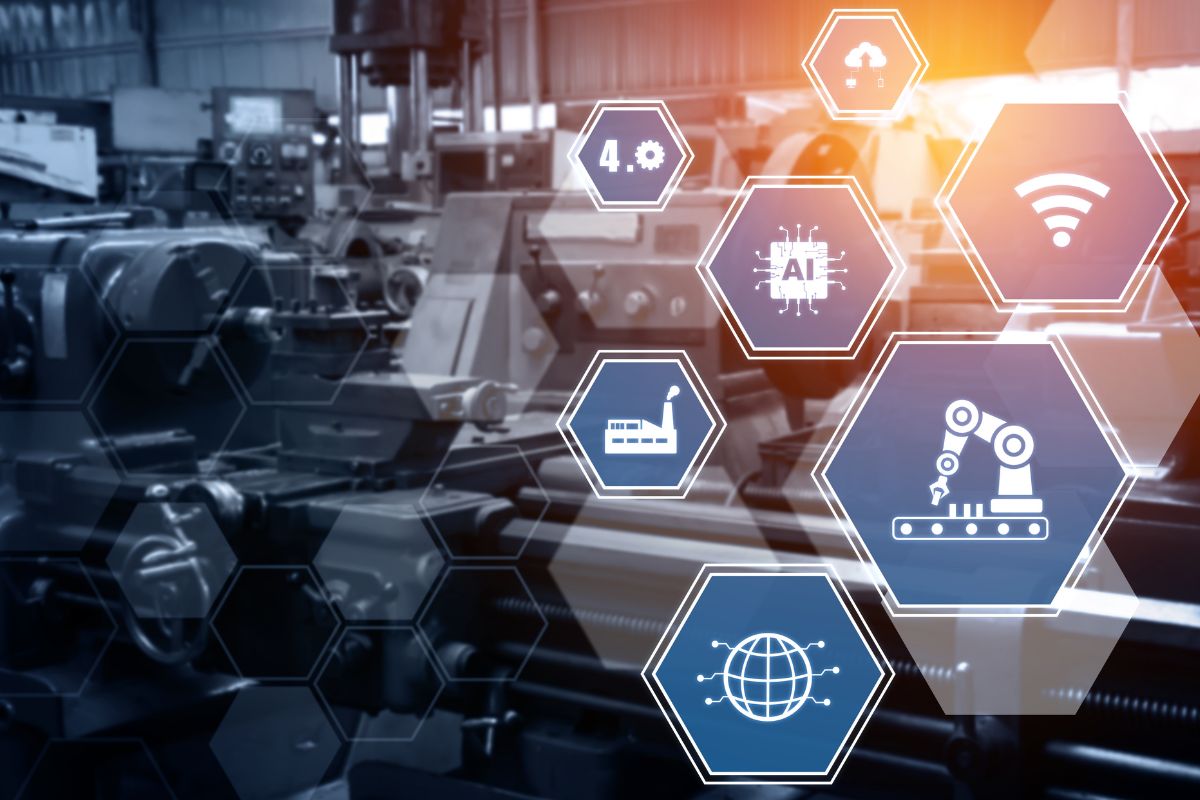
Every line already leaks time in three places: stops, slow cycles and defects. The trouble is that the losses hide inside daily firefighting, so nobody sees the full picture.
The OEE calculation formula brings them together into one honest number. Multiply availability by performance by quality, and the result shows precisely where your output is disappearing.
Once the score is visible, improvement becomes simple to target. You stop guessing, attack the largest loss first, and measure the gain in the same number every week. Understanding the causes of low OEE in manufacturing is the first real step.
OEE has exactly three levers: availability, performance and quality. Knowing how to improve OEE means working all three, in order of impact. Here is what each one means and where the fastest wins usually hide. Most causes of low OEE in manufacturing hide in plain sight on a busy line.
Availability measures how much of your planned production time the line is actually running. Every breakdown, changeover and minor stop eats into it, and these losses are usually the biggest and the easiest to win back first.
AI helps by predicting stoppages before they happen and shortening changeovers with clear, data-driven steps. Fewer surprise stops mean more available hours, and more available hours flow straight through to a higher OEE score. Over a quarter, those recovered minutes turn into real, countable units of extra output.
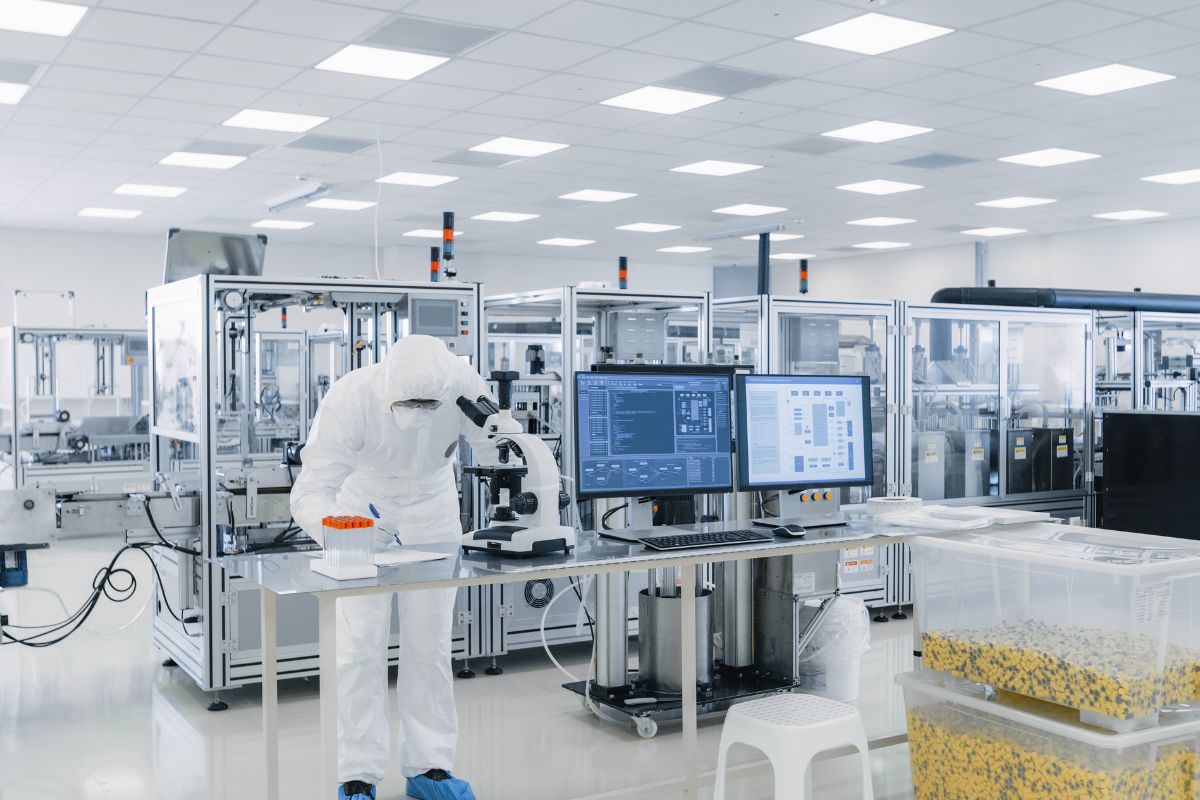
Performance measures how close the line runs to its designed speed. Small slowdowns, idling and micro-stops quietly drain output, and because each one is tiny, they almost never get investigated on their own.
AI watches cycle times continuously and flags the exact stations where speed slips away. With the bottleneck named, teams restore rated throughput and convert hidden minutes into real, countable production every single shift. The payoff lands on the floor as steadier shifts and fewer late-night surprises for the crew.

Quality measures how many parts come off the line right the first time. Scrap and rework destroy OEE twice, wasting the time spent making the bad part and the time spent fixing or replacing it.
AI catches process drift early, before it crosses into defects, and points to the root cause. Catching problems upstream protects first-pass yield and keeps both the quality score and customer trust intact. The payoff lands on the floor as steadier shifts and fewer late-night surprises for the crew.
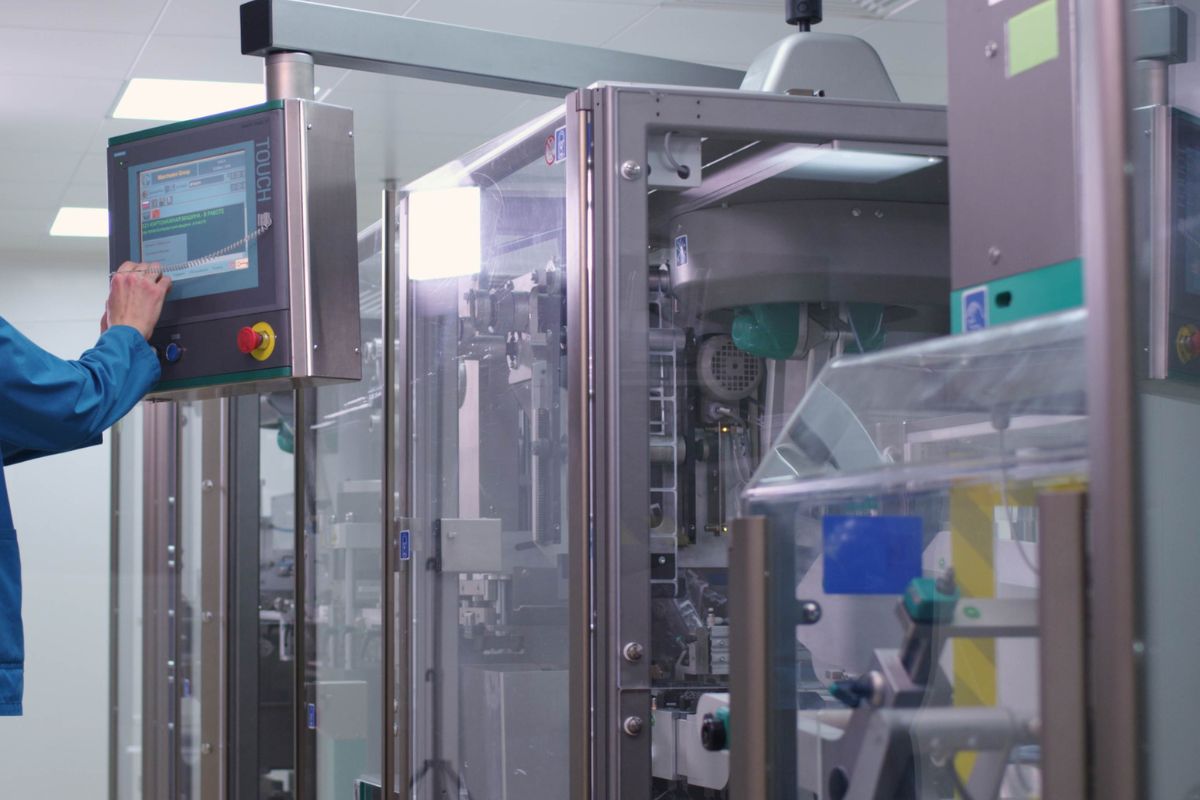
These are the questions engineers and managers ask Google and AI assistants every day. Each answer covers what it is, how it works and why it matters, with practical notes on how to reduce unplanned downtime in factories. We also revisit the OEE calculation formula in plain, practical terms. Together they show how to improve OEE in the real world.
OEE is calculated by multiplying three factors together: availability, performance and quality. Each is a percentage, and the result is a single percentage that shows how effectively equipment turns planned time into good output.
Start with availability, which is run time divided by planned production time. Then measure performance, the actual output speed against the designed speed. Finally measure quality, the share of good parts out of total parts produced.
Multiply the three together and you have your OEE score. The OEE calculation formula is deliberately simple, so the same number can be tracked daily, compared across lines and trusted by everyone on the floor.
A single, shared score turns vague feelings about a line into hard evidence, so teams agree on the problem and can prove that every improvement is real.
World-class OEE is often quoted near 85 percent, while many plants run between 40 and 60 percent. The honest answer is that your best benchmark is your own line, measured consistently over time.
A score around 85 percent is widely treated as world-class for discrete manufacturing. Sixty percent is typical, and anything below forty percent signals large, recoverable losses hiding inside daily operations.
Rather than chasing a universal target, track your own trend. Steady, measured gains week after week matter far more than hitting a number copied from a very different plant or industry. In practice, the team acts on clear evidence instead of hunches, every single shift.
Knowing where you stand removes false comfort and false panic, so effort and budget go to the losses that will actually move the score.
AI improves OEE by predicting the stops, slowdowns and defects that drag it down, then helping teams remove the biggest loss first. It turns scattered machine data into a clear, ranked plan of action.
AI models learn the normal rhythm of each machine and flag the early signs of failure, drift or slowdown. That means downtime is prevented, not just recorded, and bottlenecks are named instead of guessed.
It also ranks every loss by its real impact on output, so teams always work the highest-value problem next. This is the fastest route to learning how to improve OEE and making the gains stick. The gain is real and measurable.
AI compresses months of trial and error into a focused loop, so OEE rises faster and the gains hold instead of slipping back.
The biggest causes of low OEE in manufacturing are unplanned downtime, slow or idling cycles, and quality losses from scrap and rework. Long changeovers and small, repeated micro-stops quietly make all three worse.
Unplanned downtime usually does the most damage, stealing whole blocks of available time. Speed losses then chip away quietly, while scrap and rework destroy output that the line already paid to produce.
These losses feed each other. A rushed restart after a breakdown often creates defects, and frequent micro-stops mask the real condition of equipment until a larger failure finally arrives. In practice, the team acts on clear evidence instead of hunches, every single shift.
Naming the real causes stops teams from treating symptoms, so the fixes target what actually drags the score down.
When you truly learn how to improve OEE, the gains reach far past the maintenance team. The benefits below are the ones plant leaders notice first, often before any capital is spent. Done right, how to improve OEE becomes a habit, not a project. It also teaches how to reduce unplanned downtime in factories for good.
Neuralixai AI for Manufacturing connects your machines, quality systems and historians, then turns the data into a live OEE picture with ranked, ready-to-act recommendations, delivered through Ekam AIaaS.
Instead of chasing losses by hand, your team sees exactly which one to fix next and how much it is worth. Want to see it on your line? Talk to our team.
You cannot improve what you do not measure. The plants that lead are the ones that turn every lost minute into a number, and then into a decision.
Neuralixai Team
Yes. OEE works for any line with measurable stops, speed and quality. Small plants often gain the most, because a single recovered hour or a few percent less scrap makes a visible difference to weekly output and cost. In practice, it pays back quickly.
Not always. Many plants start with existing machine signals, PLC data and simple counts of stops and parts. Neuralixai works with what you already collect and adds sensors only where they clearly sharpen the picture and the savings. In practice, it pays back quickly.
Early wins often appear within weeks, usually from cutting the largest downtime loss first. Deeper, lasting gains build over the following months as AI learns your machines and the improvement loop becomes a steady habit for the team. In practice, it pays back quickly.
No, the opposite. Clear, ranked losses mean operators stop firefighting and focus on the few changes that matter. Knowing exactly how to reduce unplanned downtime in factories makes the work calmer, not heavier, for the whole crew. In practice, it pays back quickly.
No, it complements them. OEE shows the output impact, while metrics like MTBF and MTTR explain reliability behind it. Used together, they give a complete view of both equipment health and real, finished production performance. The result is calmer, more predictable production.

Tell us about your lines and where output seems to vanish. Our team will show you how to improve OEE with AI, cut downtime and protect quality, with no guesswork. The first conversation is free and practical.
Note: This article is intended to provide general information only. It does not account for the specific operations, equipment or objectives of any individual facility and must not be relied upon as engineering, safety or professional advice.
While every effort has been made to ensure accuracy, technologies and best practices evolve over time. Readers should seek independent professional advice before making operational or investment decisions based on this information. Neuralixai accepts no liability for actions taken solely on the basis of this article.
579, 32nd D Cross, 10th Main,4th Block,
Jayanagar, Bengaluru, Karnataka 560011
148, Patparganj industrial Area, New Delhi 110092
4200 San Jacinto, Houston, Texas 77004, USA