
The difference in generative AI vs physical AI is what each one understands. Generative AI produces language, images and code, it works with information. Physical AI understands machines, sensors and the physical world, it works with reality. In 2026, businesses use generative AI for content and knowledge, and physical AI to run and protect industrial operations. Neuralixai builds physical AI grounded in physics and sensor data, so it predicts failures and optimises real assets, doing what generative AI, for all its power, was never designed to do.
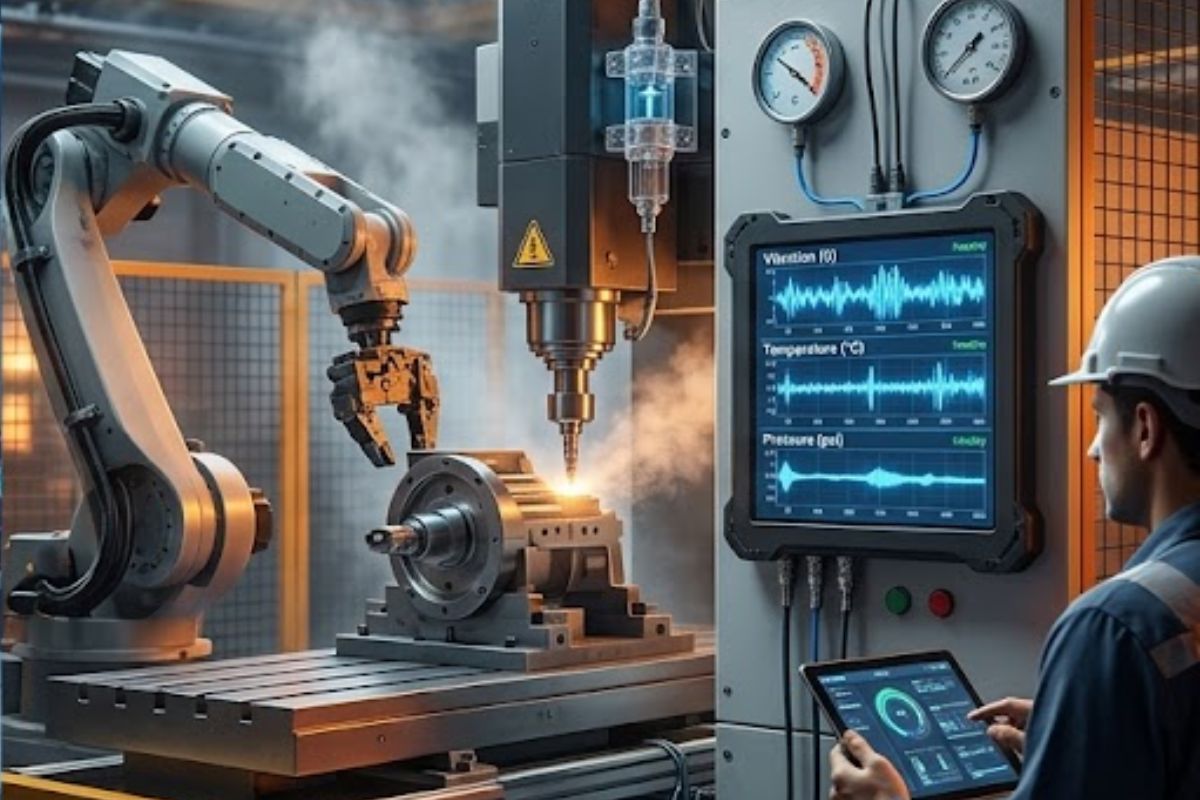
Generative AI and physical AI are not rivals; they solve completely different problems. One creates and reasons over information, the other senses and acts on the physical world of machines and sensors. The confusion is understandable, since both are called AI, but they are trained on different data and built for very different jobs. Knowing which to use is the real skill. For content, knowledge and support, generative AI shines. For predicting failures, running plants and protecting critical assets, physical AI is the tool that was actually designed for the job, grounded in physics and real sensor data rather than patterns in text. In short, the generative AI vs physical AI choice comes down to matching the tool to the job: language and content for one, real machines and reliability for the other.

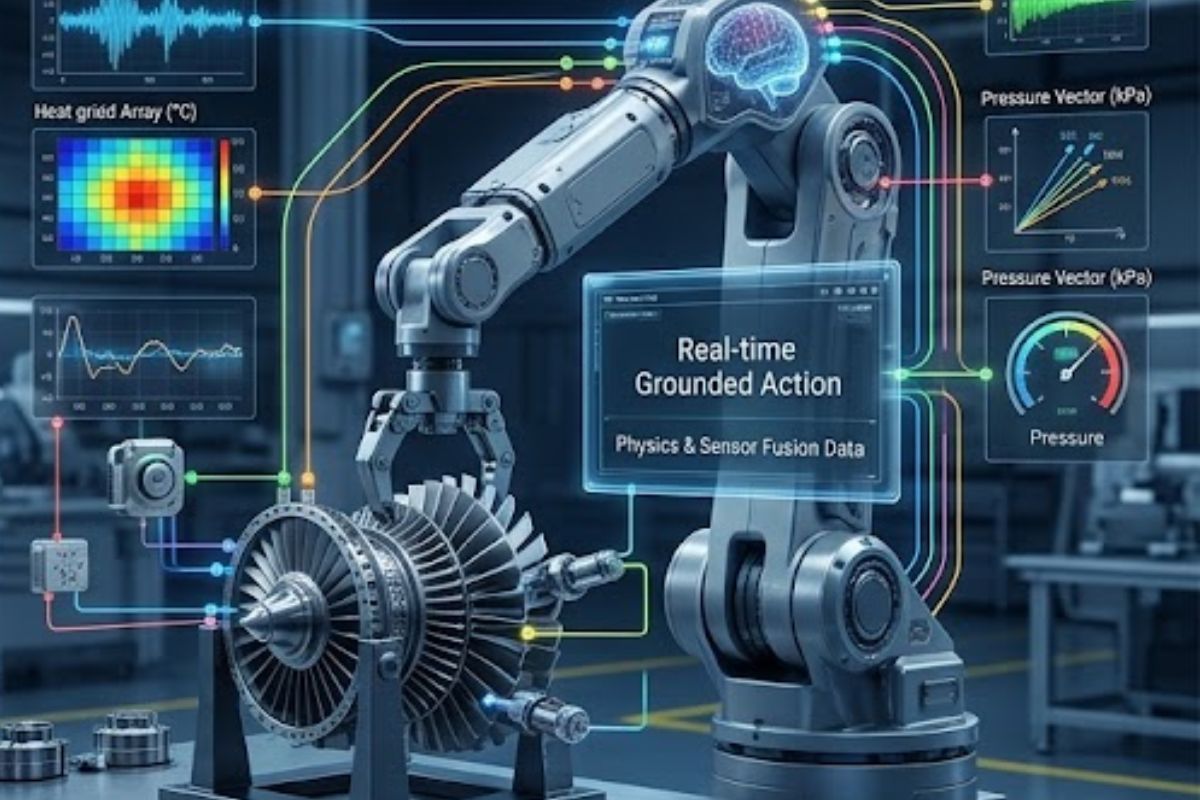
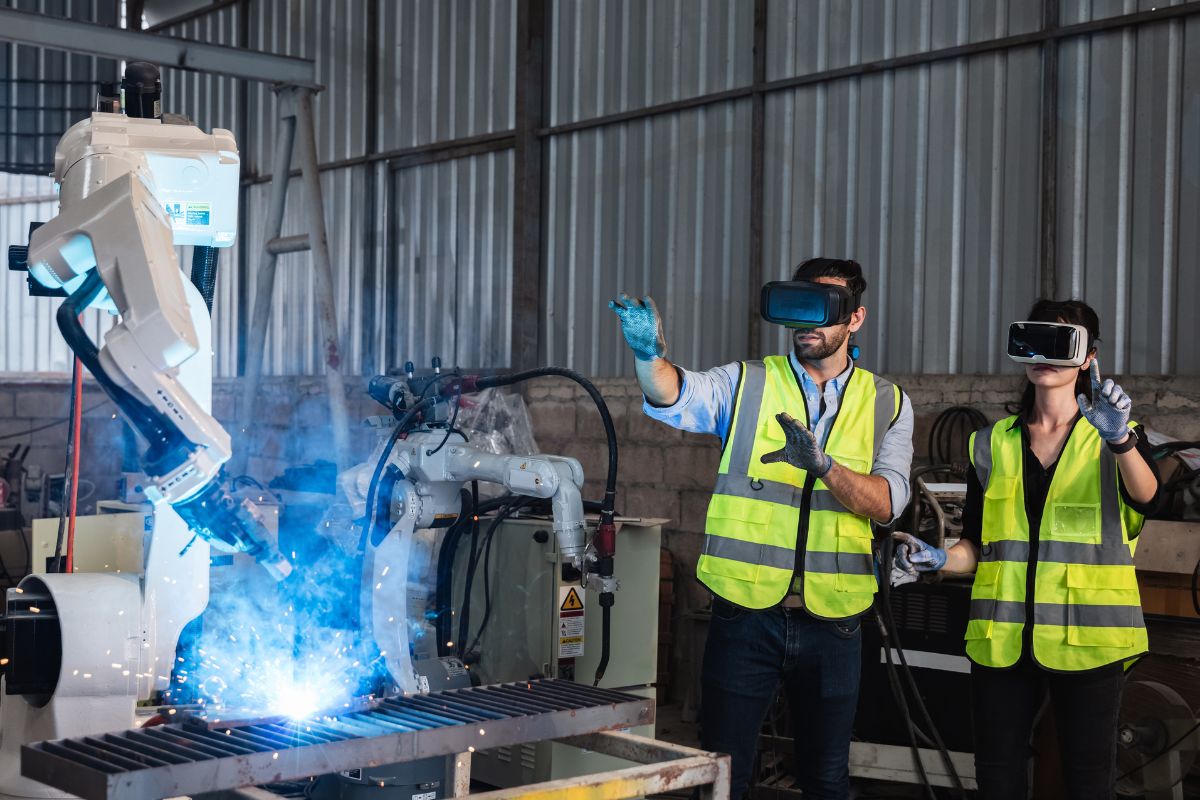
Generative AI creates information like text, images and code, while physical AI understands and acts on the physical world of machines, sensors and infrastructure. They share the name AI but little else.
Physical AI is grounded in physics and real sensor data, so it predicts failures and optimises real assets, which is something generative AI was simply never designed or trained to do.
One works with language and produces plausible content, the other works with the behaviour of real equipment and produces trustworthy predictions, so choosing between them is really about which world your problem lives in.
For running machines, grounding in the physical world is exactly what makes predictions safe to act on, which is why physical AI, not a chatbot, belongs on the plant floor. For real machines, grounding in physics is what makes AI safe to trust.
Physical AI use cases include predictive maintenance, digital twins, condition monitoring, energy optimisation and real-time process control, spanning the full range of tasks that keep industry running safely.
Neuralixai grounds each model in your sensor and plant data, so it turns real-world signals into early warnings and clear, prioritised actions across your operations rather than generic advice.
Because the models reflect how your specific equipment behaves, the outputs are something engineers can actually trust and act on, protecting uptime, safety and output in ways generative tools were never built for.
These physical AI use cases protect uptime, safety and output in ways generative tools were never designed to deliver, because they are grounded in reality, not text. These use cases protect uptime and safety in ways text tools cannot.
Neither generative nor physical AI is better overall; they do different jobs. For running and protecting machines, physical AI solutions for industry are the right tool, not a generative model, however capable it sounds.
Neuralixai helps you use generative AI for knowledge and content, and physical AI to run and protect assets, choosing each tool for the job it was genuinely designed to do.
The costly mistake is trusting a fluent generative model with a physical task it cannot sense or verify, so we match the tool to the problem, which is what turns AI hype into reliable, repeatable results.
Knowing which kind of AI fits each task is what turns hype into real, reliable results, and it is the first thing serious operations get right. Matching the tool to the problem is what turns hype into results.
Generative AI limitations in industry include no grounding in physics, a real risk of confident errors, and no ability to sense or act on physical equipment, which makes it unsafe for running critical assets.
Physical AI fills that gap, using sensor data and physics-informed models to make trustworthy predictions about real equipment rather than plausible-sounding guesses.
Where a generative model might invent an answer with total confidence, a grounded physical AI model reflects how the machine actually behaves, so its warnings and actions can be trusted on the floor.
Understanding generative AI limitations in industry is what stops teams from trusting it with the wrong jobs, and points them to physical AI where it truly matters. Knowing the limits is what keeps AI on the jobs it can actually do.
For any team serious about generative AI vs physical AI, the gap between a pilot and real production is disciplined engineering, and that is what Neuralixai brings.
Done properly, generative AI vs physical AI pays back in months rather than years, which is why more operations are adopting it now.
The real value of generative AI vs physical AI shows up on the floor, in the uptime, safety and output your team can measure.
Neuralixai treats generative AI vs physical AI as an engineering problem grounded in your real data, not a product bolted onto your operation.
That is what separates talking about generative AI vs physical AI from running it reliably, day after day, in live production.
Generative AI can describe a machine. Physical AI knows when that machine is about to fail.
Neuralixai Team
No. They are fundamentally different. Generative AI creates information such as text and images, while physical AI senses and acts on the physical world using physics and sensor data. They share the name AI but are built, trained and used for entirely different purposes.
Yes, and many businesses should. Use generative AI for content and knowledge, and physical AI solutions for industry to run and protect real assets. The skill is matching each tool to the job it was designed for, rather than forcing one to do both.
It has no grounding in physics and cannot sense equipment. Generative AI limitations in industry mean it cannot reliably predict or act on real machines, so trusting it to run a plant risks confident, dangerous errors that a grounded physical AI model avoids.
Predictive maintenance, digital twins, condition monitoring and energy optimisation. Neuralixai applies these physical AI use cases across manufacturing, energy, oil and gas and defence, turning real sensor data into trustworthy, actionable intelligence on live assets.
Neuralixai is an engineer-built physical AI company in India, delivering physics-informed models for industry and defence. Our work is backed by clients like Shell and JSW Steel and defence-grade projects, so the physical AI is proven where reliability genuinely matters.

579, 32nd D Cross, 10th Main,4th Block,
Jayanagar, Bengaluru, Karnataka 560011
148, Patparganj industrial Area, New Delhi 110092
4200 San Jacinto, Houston, Texas 77004, USA